Exploring Cappadocia with a licensed guide
What a licensed guide does in Cappadocia
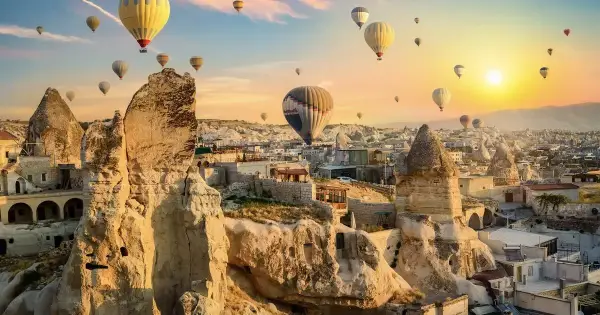
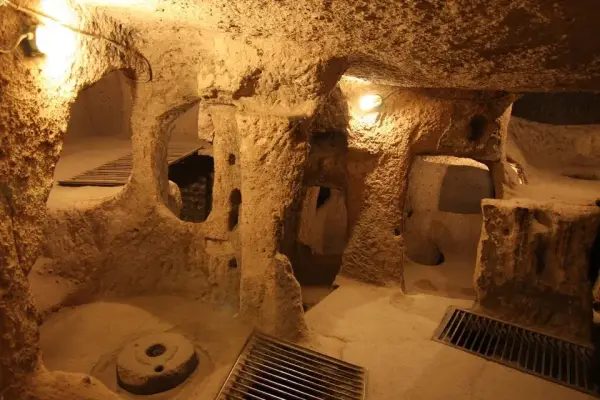
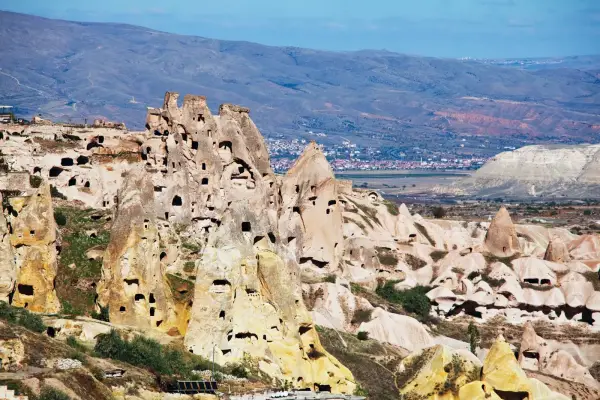
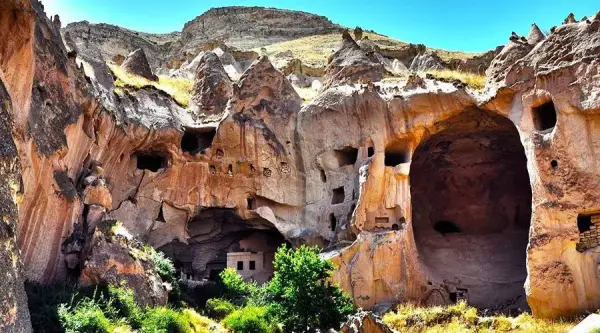
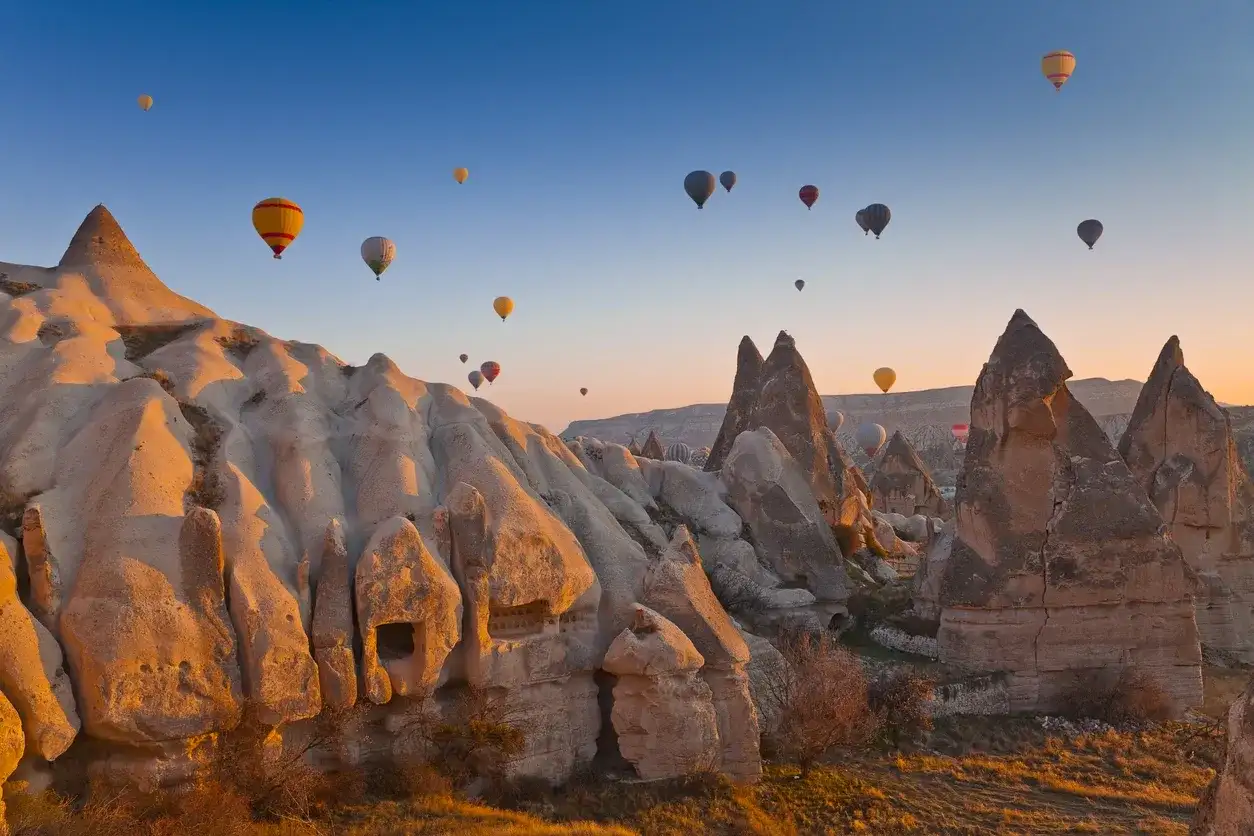
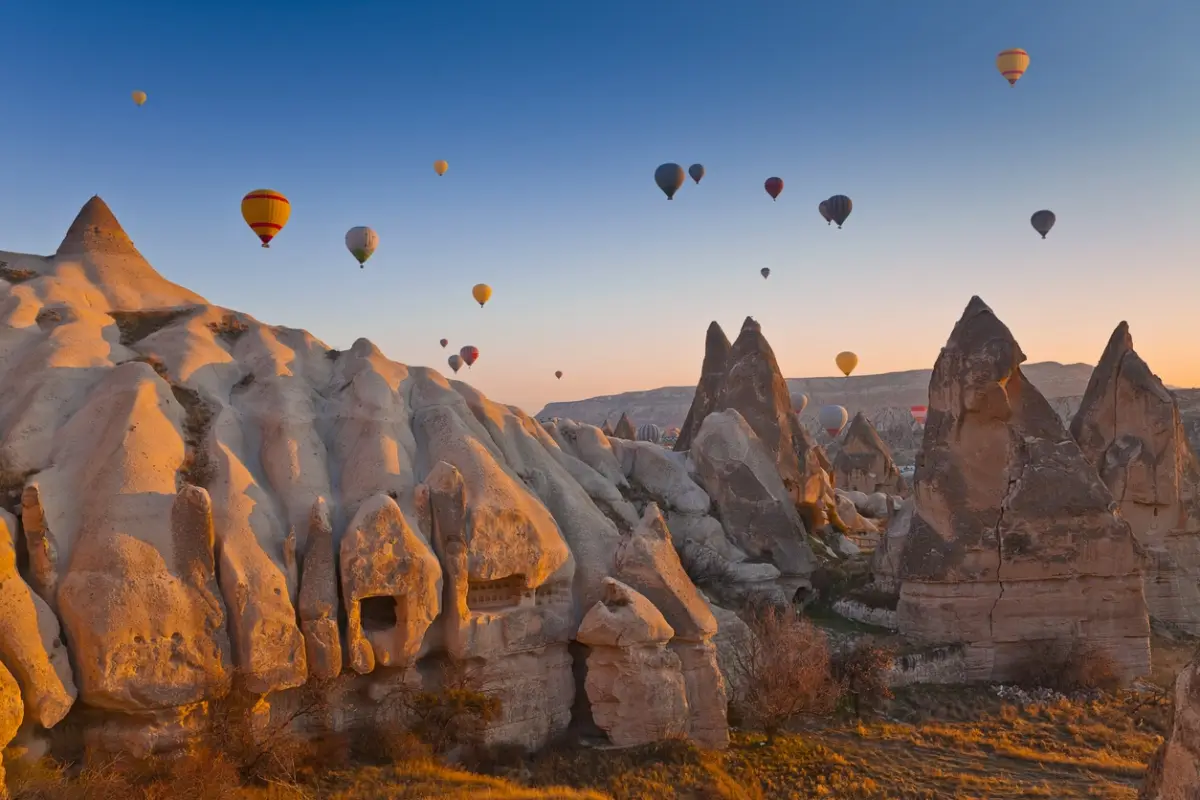
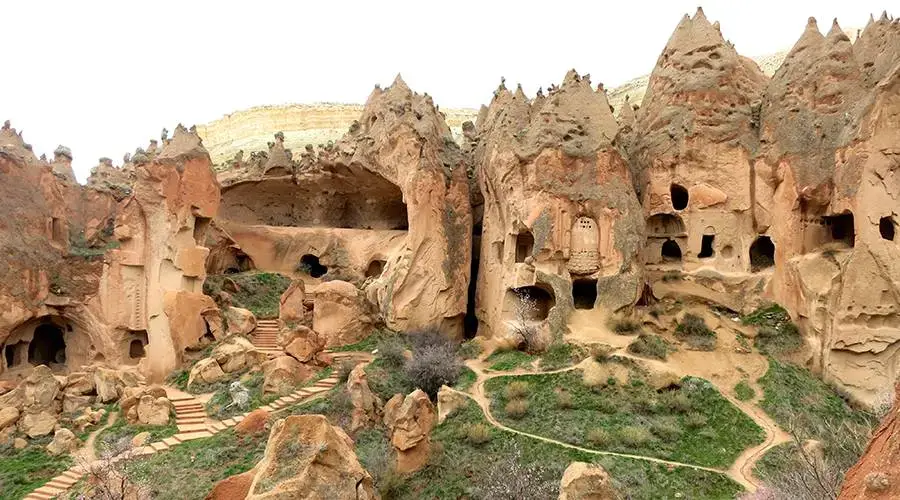
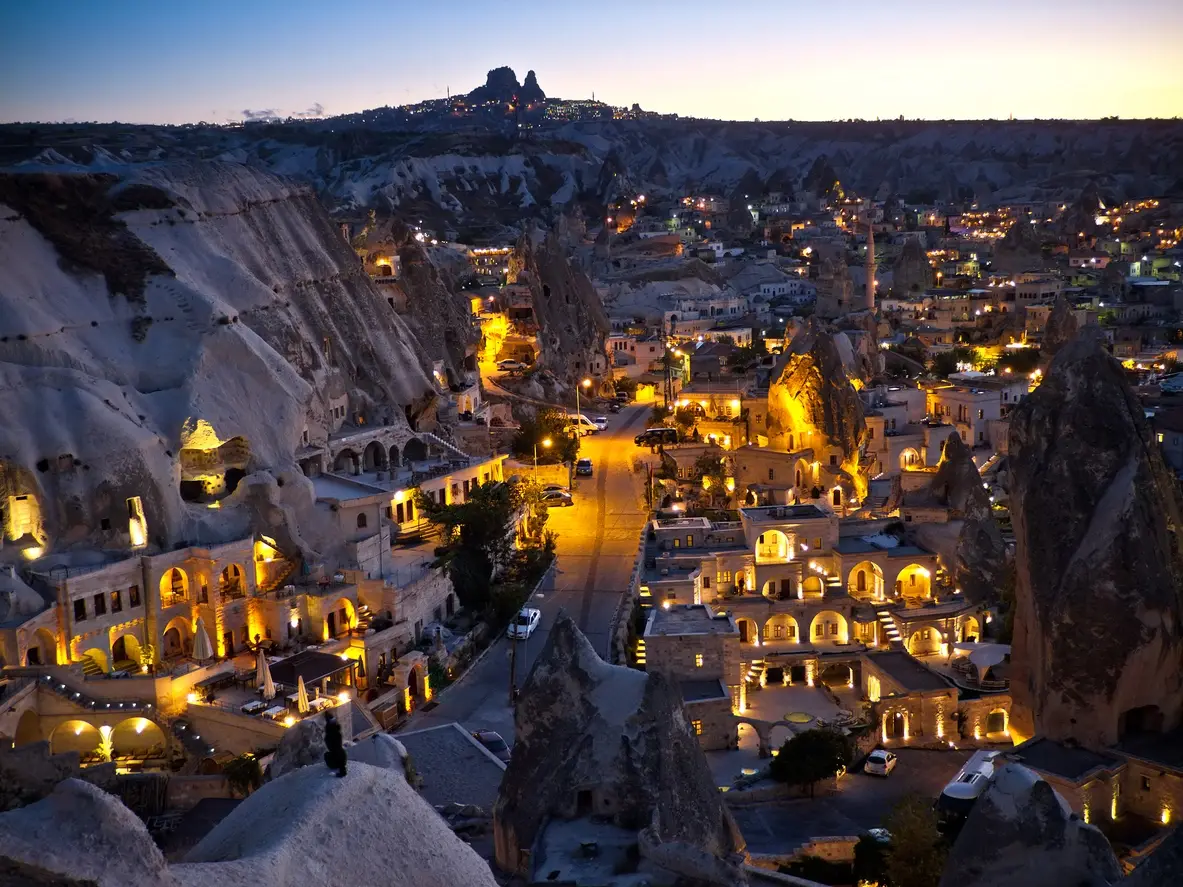
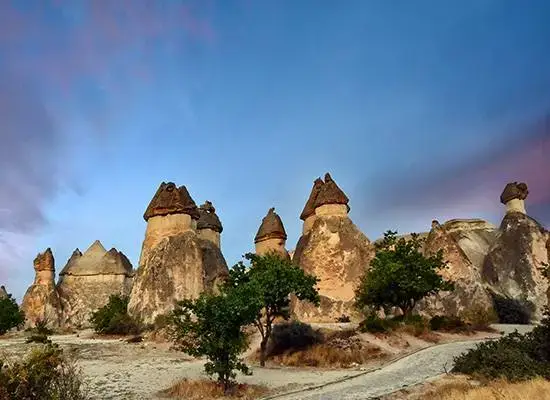
Cappadocia is a landscape you can admire on your own, but much of what makes it remarkable is hidden in plain sight: churches painted inside the rock, underground cities that sheltered whole communities, villages where people still live in houses carved from volcanic tuff. A licensed tourist guide turns those sights into a story — how ash from the ancient volcanoes Erciyes, Hasan and Göllüdağ hardened into soft tuff, how wind and water shaped it into fairy chimneys, how early Christian communities used the valleys, and what daily life looked like underground.
In Türkiye, professional guiding at museums and archaeological sites is reserved for licensed tourist guides under the Tourist Guiding Profession Law (No. 6326). Every guide we work with holds a licence from the Ministry of Culture and Tourism, is registered with a regional guide chamber and wears the official badge. In Cappadocia that chamber is the Nevşehir Guides Chamber (NERO), where 983 licensed guides are registered today. The most common guide languages here are English, Spanish, Japanese, Portuguese, French, Chinese.
A private guide works only for your group. They plan the day with you, set the order of visits to avoid the busiest hours, explain what you are seeing in your own language and adapt the pace for children, older travellers or photographers.
Where your guide will take you
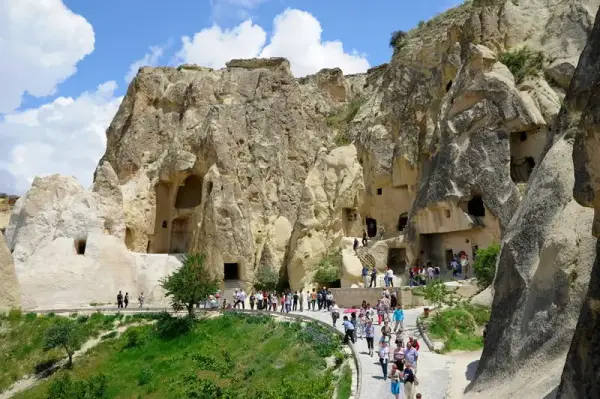
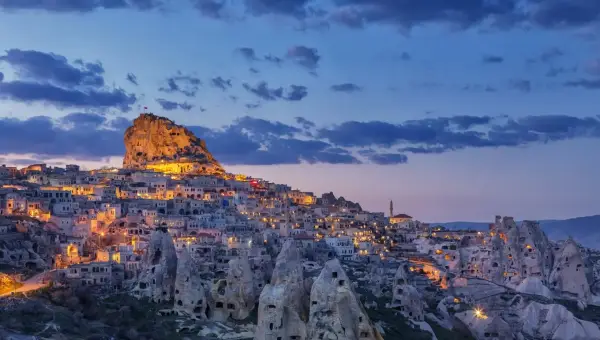
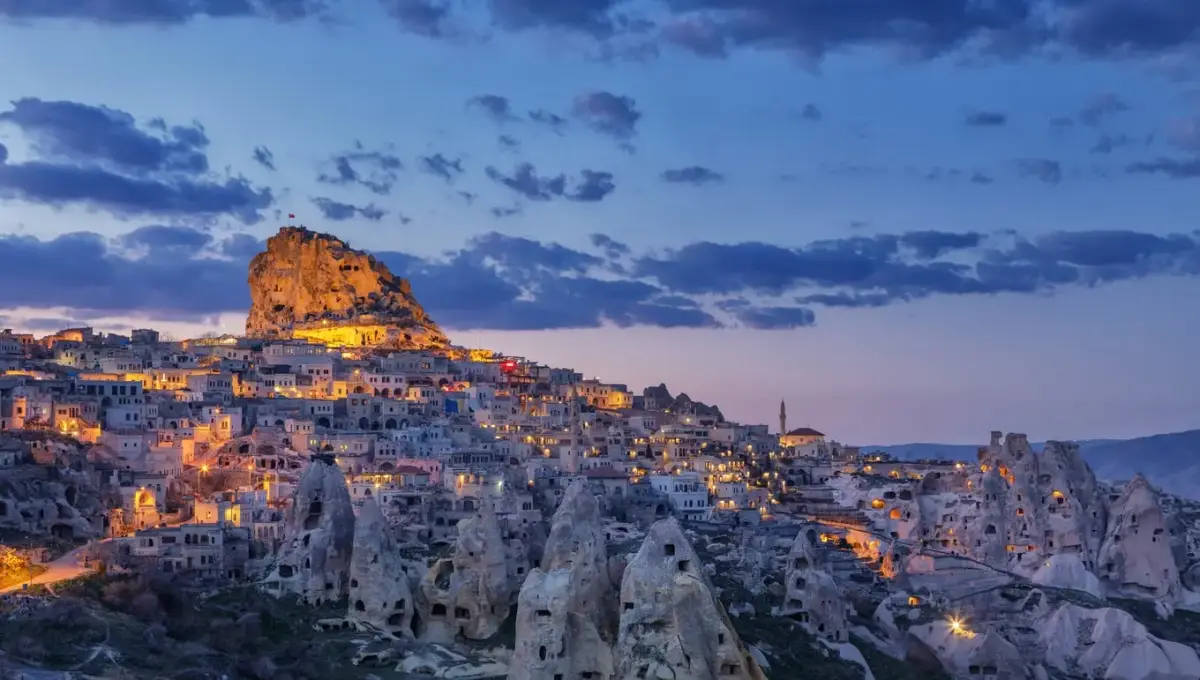
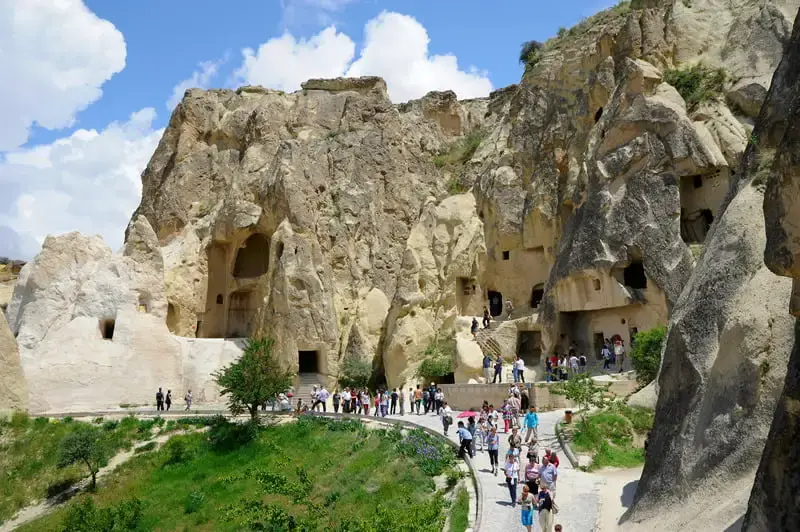
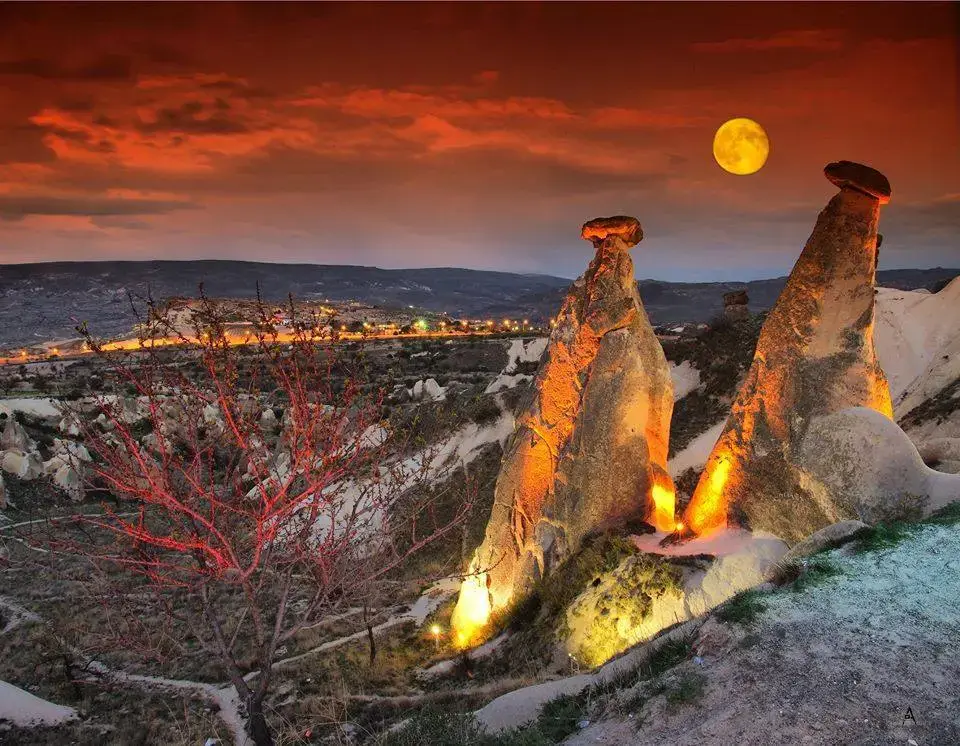
Most visits are based in the triangle between Göreme, Ürgüp and Avanos, with Uçhisar and Ortahisar a few minutes away. Göreme is home to the Göreme Open-Air Museum, a cluster of rock-cut monasteries and chapels with Byzantine frescoes, part of the UNESCO World Heritage Site "Göreme National Park and the Rock Sites of Cappadocia" since 1985. Uçhisar is crowned by its rock castle, the highest point in the area, with views over Pigeon Valley. Ürgüp is known for its old stone mansions and the Three Beauties fairy chimneys, and Avanos for the Kızılırmak river and its pottery workshops.
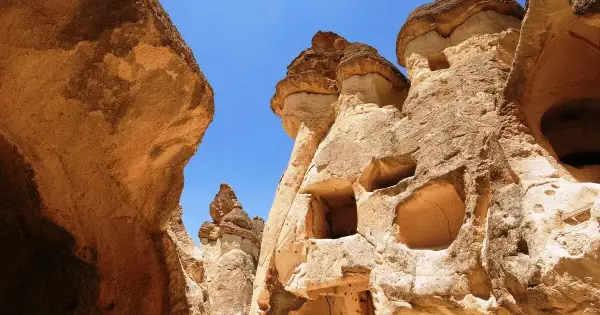
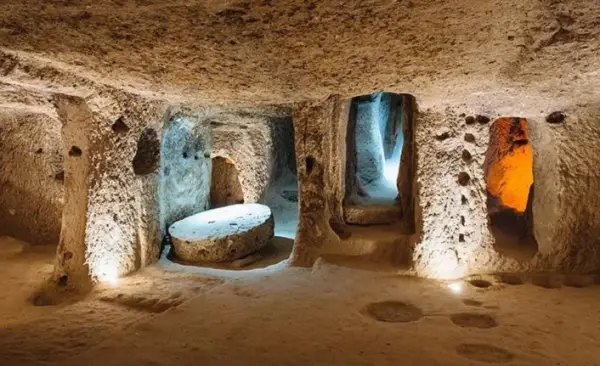
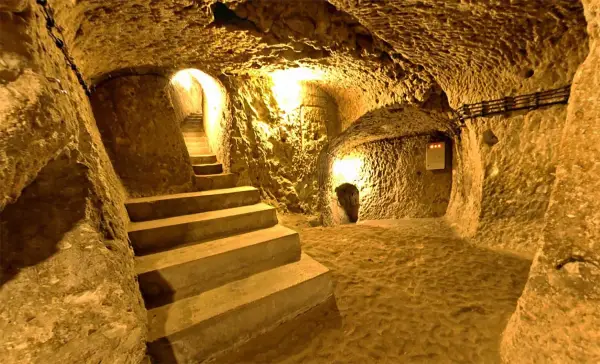
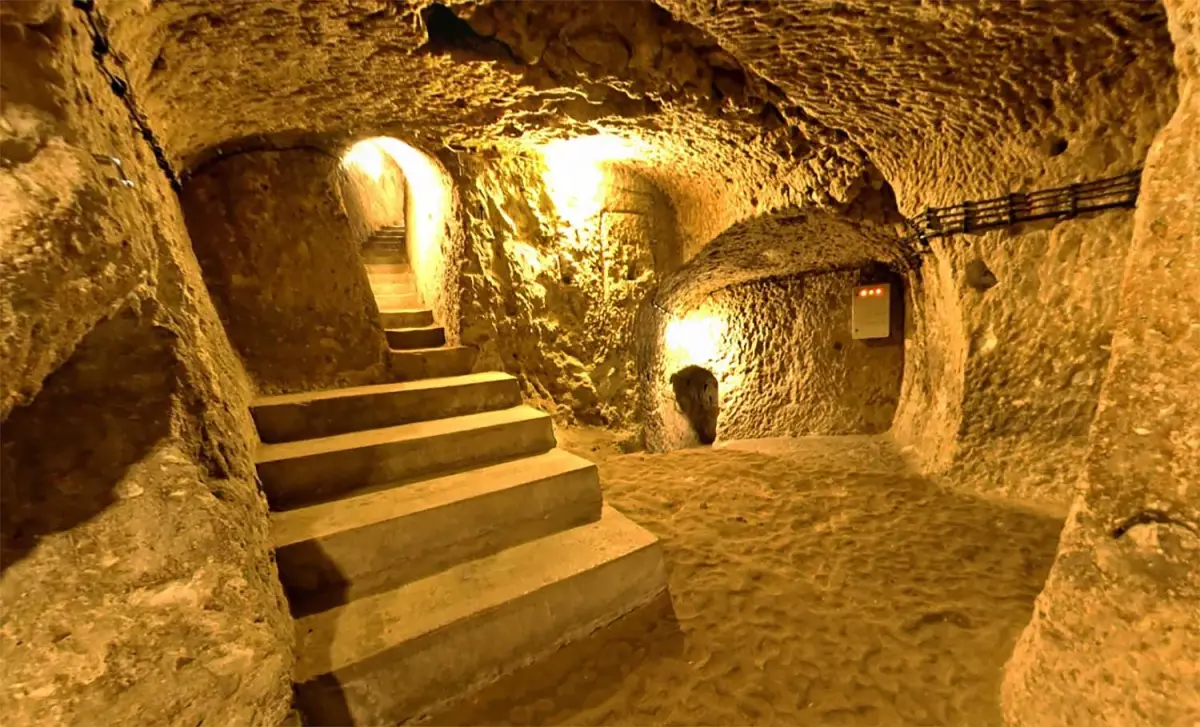
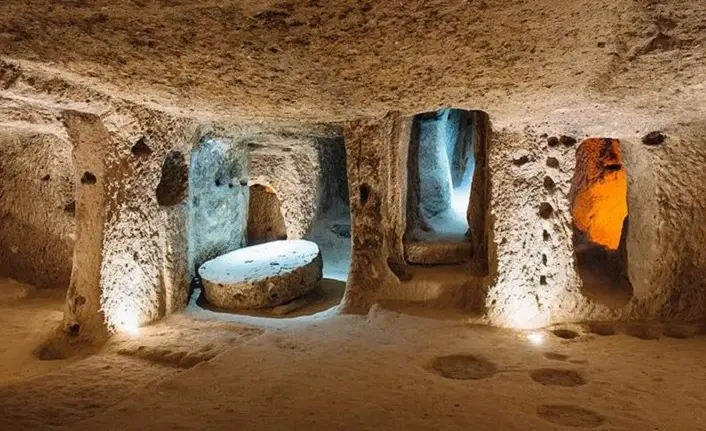
North of Göreme, the Zelve valleys were lived in until the middle of the 20th century, and Paşabağ — also called Monks Valley — has some of the most photographed multi-capped fairy chimneys. To the south lie the underground cities of Kaymaklı and Derinkuyu, carved many levels deep with ventilation shafts, stables, chapels and rolling stone doors. Further south-west, Ihlara Valley in Aksaray province is a canyon of around 14 km along the Melendiz stream, lined with rock-cut churches, with the Selime Monastery at its northern end.
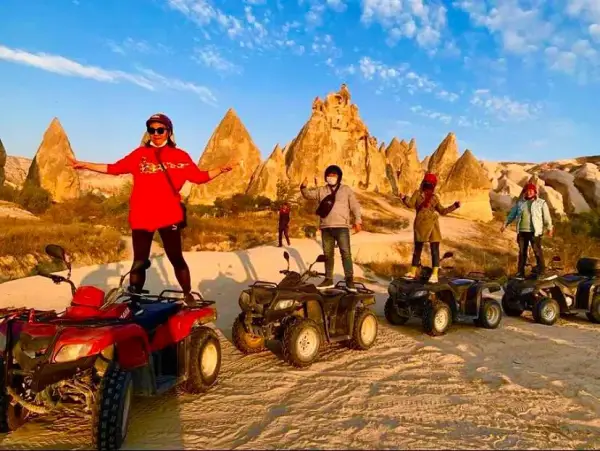
Your guide can combine these freely. A typical first day covers the northern sites — the open-air museum, Paşabağ, Avanos and Uçhisar — while a second day heads south to an underground city and Ihlara Valley. Walks through the Rose, Red and Love valleys can fill a morning or a sunset, and your guide will choose trails that suit your group.
When to visit Cappadocia
Spring (April to June) and autumn (September to October) bring mild days, clear light and the most comfortable walking. Summer days are hot in the valleys but nights stay cool, and early starts make the most of the morning. Winter is cold and often snowy, with fewer visitors and a quiet, beautiful landscape; some trails turn muddy and balloon flights are cancelled more often because of the weather. Your guide will suggest the best order of visits for the season and the time of day.
Hot-air balloons and your guided day
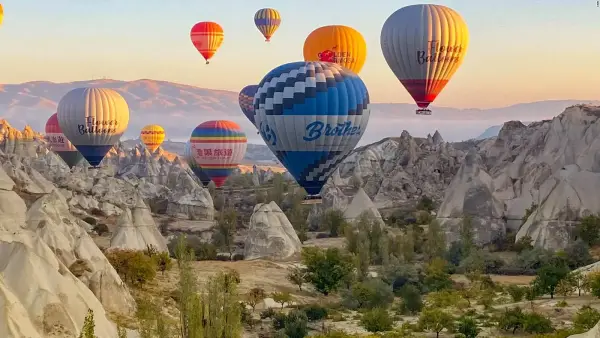
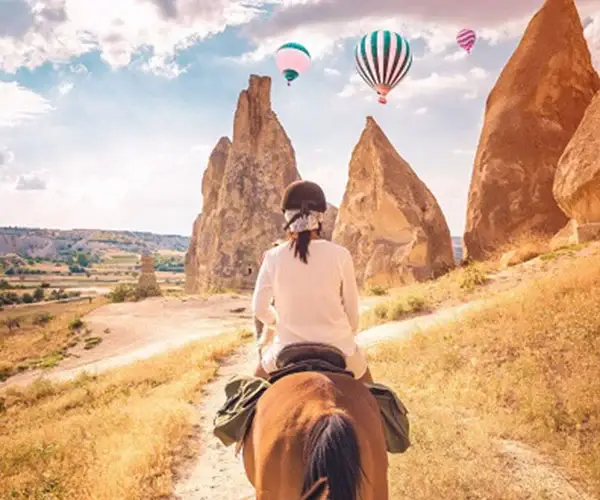
Many visitors come for the sunrise balloon flights over Göreme. Flights are run by licensed balloon companies with their own pilots and take off around dawn, so they rarely clash with your guided day. They depend on the wind and are cancelled by the authorities when conditions are unsafe, so it is wise to plan the balloon for your first morning and keep a spare morning in case it moves. If you prefer to stay on the ground, your guide can take you to a viewpoint to watch the balloons rise.
Tips for your guided days
Wear comfortable shoes with good grip: valley paths are sandy, and the stairs in the underground cities are steep and narrow, with low ceilings in places. Bring a light layer even in summer, because the underground cities stay cool all year. Entrance tickets are bought at each site; a regional museum pass covers several of the main museums, and your guide can tell you whether it pays off for your plan. On busy days, start early — the open-air museum and the underground cities are calmest at opening time and again in the late afternoon.
How booking a Cappadocia guide works
Choose Cappadocia, your date, the number of days, the guide language and your group size in the search box at the top of this page. You will see how many licensed guides in the region speak that language and the typical daily rate. Send the reservation request and we contact available guides; you receive your guide's contact details within 24 hours.
English-speaking guides in Cappadocia typically start from about €120 per day; rarer languages can cost more. The daily rate covers one destination and guiding only — entrance tickets, transport and meals are not included. Rates are indicative and confirmed when you book. We do not take any payment online: the guide is paid directly in cash at the start of the tour.
If no local guide speaks your language, a guide can come from another region; their travel and accommodation are then added to the booking. Need transport as well? A private car or van with driver can be arranged together with your guide — see the vehicle options below.