

Exploring Mardin with a licensed guide
Discovering the stone city with a professional guide
Mardin is a living museum, a city where history is etched into every stone. Walking through its labyrinthine streets, you will encounter a unique blend of cultures, religions and architectural styles that have coexisted for centuries. A licensed tourist guide brings this history to life, explaining the significance of the intricate stonework, the stories behind the ancient madrasas and the cultural tapestry of the region.
In Türkiye, professional guiding is regulated by the Tourist Guiding Profession Law (No. 6326). Every guide we work with is licensed by the Ministry of Culture and Tourism and registered with a regional guide chamber. For Mardin, our guides are registered with the Şanlıurfa Regional Tourist Guides Chamber (ŞURO), where 213 licensed guides are registered. The most common guide languages here are English, Arabic, Russian, Persian, German, French.
A private guide offers a personalized experience, allowing you to explore at your own pace. Whether you are interested in the architectural details of the old houses, the history of the local religious communities or the vibrant culinary traditions of Southeastern Anatolia, your guide will tailor the day to your specific interests.
The heart of Mardin and its surroundings
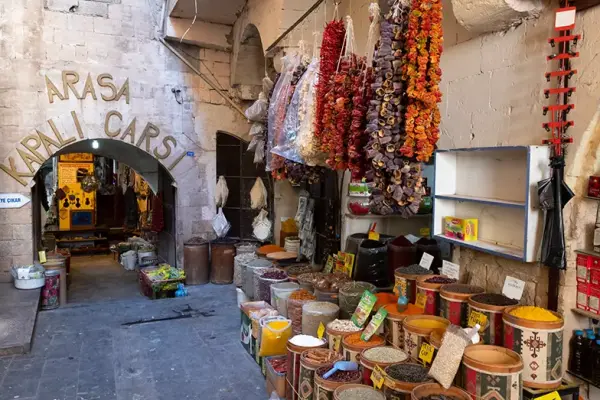
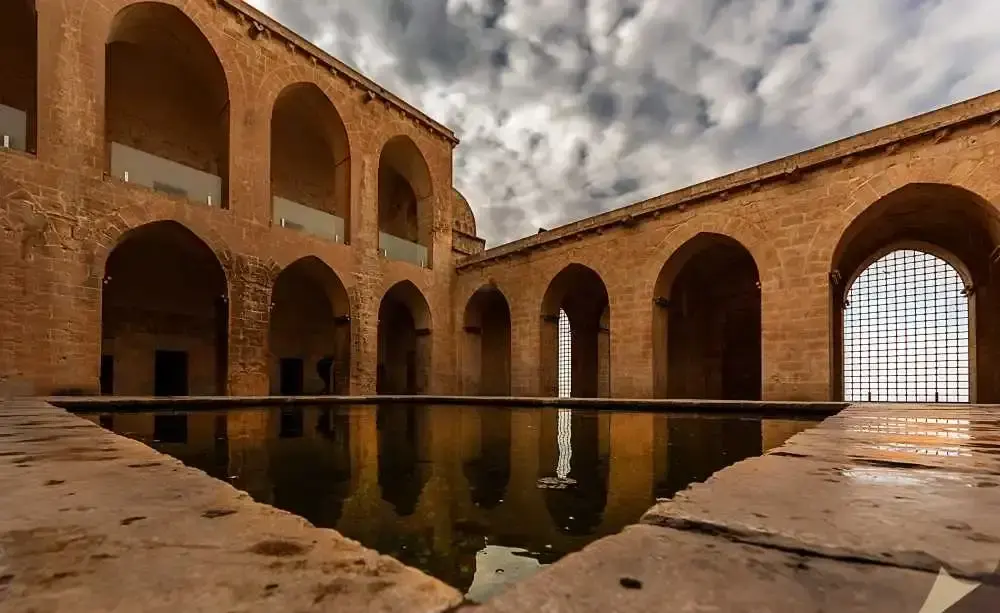
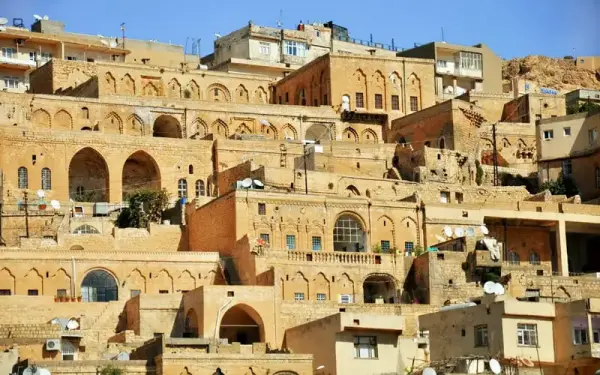
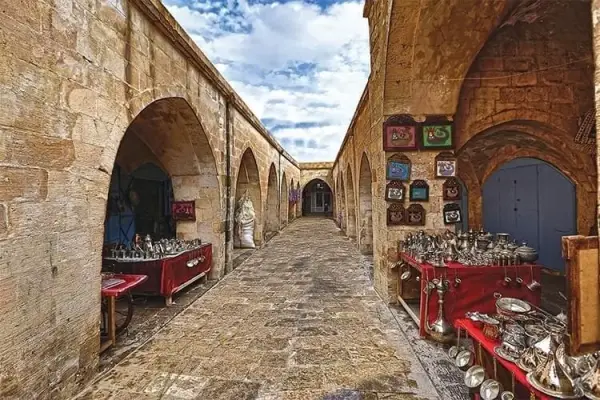
The old city of Mardin is famous for its traditional stone houses, built into the hillside to offer panoramic views of the Mesopotamian plains. Key landmarks include the Kasimiye Madrasa, a masterpiece of Artuqid architecture with its grand courtyard and water features, and the Zinciriye Madrasa. The city's bazaars, including the Grand Bazaar and Revaklı Bazaar, are perfect places to see local artisans at work, from copper smiths to silver filigree makers.
Beyond the city center, the region is rich in ancient sites. The Dara Archaeological Site, an important Roman fortress city, offers a glimpse into the past with its rock-cut tombs and cisterns. The nearby Mor Gabriel Monastery, one of the oldest surviving Syriac Orthodox monasteries in the world, is a testament to the deep-rooted Christian history of the Tur Abdin region.
Your guide can help you navigate these sites, providing context that you would otherwise miss. They can also take you to hidden viewpoints, suggest the best times to visit to avoid crowds and introduce you to the local flavors of Mardin, such as stuffed ribs and local wines.
When is the best time to visit Mardin?
Mardin has a continental climate with hot, dry summers and cool, sometimes snowy winters. The best time to visit is during the spring (April to June) or autumn (September to October), when the temperatures are mild and pleasant for walking through the steep, narrow streets of the old city.
Summer days can be quite intense, so early morning or late afternoon explorations are recommended. Winter provides a different, quieter perspective of the city, though some of the more remote archaeological sites may be harder to access if there is heavy snow.
Culinary traditions and local crafts
Mardin is a culinary destination in its own right. The local cuisine is a blend of Arab, Kurdish, Turkish and Syriac influences. Your guide can take you to authentic restaurants where you can try local specialties. Many of these dishes are complex, involving slow-cooking techniques and unique spice blends that reflect the region's history as a hub on the Silk Road.
The city is also famous for its crafts. Silver filigree, known as Telkari, is a local specialty that dates back centuries. Your guide can help you find authentic workshops where you can see the masters at work and ensure you are buying genuine, locally made products.
Tips for your visit
The old city of Mardin is built on a steep slope, meaning there are many stairs and uneven stone paths. Wear comfortable, sturdy walking shoes. Even in the warmer months, it is respectful to dress modestly when visiting religious sites like mosques and monasteries.
Always carry some cash for small purchases in the bazaars and for entrance fees to local sites. Your guide can advise you on the best way to manage your tickets and whether a museum pass is suitable for your itinerary.
How to book your Mardin guide
To book a guide, use the search box at the top of this page to select your dates, the number of days, your preferred language and group size. You will see the available licensed guides and their typical daily rates. Once you submit your request, we will contact the guides and provide you with their details within 24 hours.
English-speaking guides in Mardin typically start from about €120 per day; rarer languages can cost more. The daily rate covers the guide's professional services only. Entrance tickets, transport and meals are not included. We do not process payments online; you pay your guide directly in cash at the start of your tour.
If you need transport to explore sites outside the city center, such as Dara or the monasteries, we can arrange a private vehicle with a professional driver to accompany you and your guide.