Exploring Gallipoli with a licensed guide
What a licensed guide does in Gallipoli
The Gallipoli Peninsula is not just a collection of monuments; it is a vast, complex historical site where the events of 1915 shaped the history of modern Türkiye and the nations involved in the Dardanelles Campaign. A licensed tourist guide provides the essential context, explaining the strategic importance of the Dardanelles, the reality of trench warfare, and the human stories behind the memorials. They bring the landscape to life, pointing out the original trenches, the terrain that dictated the movement of troops, and the significance of the various cemeteries and monuments.
In Türkiye, professional guiding at historical sites is strictly regulated under the Tourist Guiding Profession Law (No. 6326). Every guide we work with holds a licence from the Ministry of Culture and Tourism, is registered with a regional guide chamber, and wears an official badge. In this region, guides are registered with the Çanakkale Regional Tourist Guides Chamber (ÇARO), where 277 licensed guides are registered today. The most common guide languages here are English, German, Indonesian, Arabic, Greek, Japanese.
A private guide offers a personalized experience, allowing you to focus on the specific aspects of the campaign that interest you most, whether it is the military strategy, the personal letters of the soldiers, or the commemorative history. They manage the logistics of the day, ensuring you visit the key sites efficiently while providing a depth of knowledge that guidebooks cannot match.
Where your guide will take you
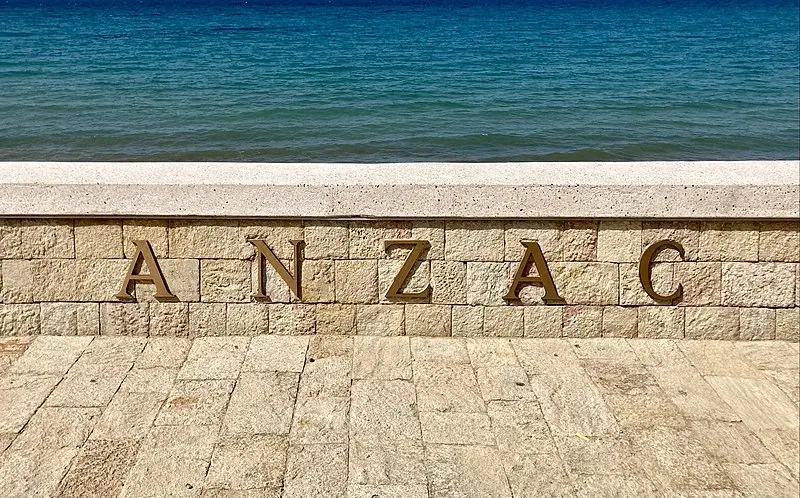
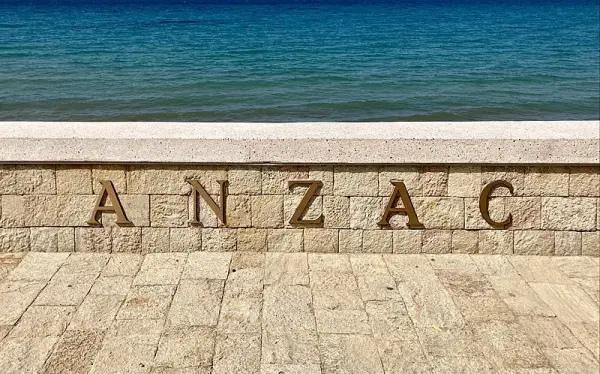
A typical tour of the Gallipoli Historical Site covers the most significant areas of the 1915 campaign. Your guide will lead you through the Anzac Cove area, where the Australian and New Zealand Army Corps landed, and up to the heights of Chunuk Bair. They will explain the defensive positions at Kilitbahir and the significance of the various memorials that dot the peninsula.
Beyond the battlefields, your guide can take you to the Çanakkale Epic Presentation Center, which uses modern audiovisual technology to explain the campaign, and the Anatolian Hamidiye Fort, which offers a broader look at the history of the Dardanelles. The Mehmetçik Lighthouse and the Gallipoli Historical Underwater Park exhibition provide unique insights into the maritime and defensive aspects of the conflict.
Your guide will help you navigate the peninsula's geography, connecting the physical sites to the historical narrative. Whether you are interested in the Allied perspective or the Turkish defense, a private guide ensures you see the essential sites while providing the time to reflect at the memorials.
When to visit Gallipoli
Spring (April to June) is arguably the best time to visit, as the peninsula is green and the weather is mild, perfect for walking the trails. Autumn (September to October) also offers comfortable temperatures and clear skies. Summer can be quite hot and dry, which makes walking the open battlefield trails more challenging. Winter is cold and often windy, but it offers a more solitary and contemplative atmosphere for those who prefer fewer crowds.
Tips for your guided days
The Gallipoli Peninsula is a large area, and visiting the sites involves a fair amount of walking on uneven terrain. Wear comfortable, sturdy shoes and bring a hat and sunscreen, especially in the warmer months. As the area is largely open, there is little shade, so prepare accordingly. If you are visiting in the spring or autumn, a light jacket is advisable, as the coastal winds can be chilly.
How booking a Gallipoli guide works
Choose Gallipoli, your date, the number of days, the guide language, and your group size in the search box at the top of this page. You will see how many licensed guides in the region speak that language and the typical daily rate. Send the reservation request and we contact available guides; you receive your guide's contact details within 24 hours.
English-speaking guides in Gallipoli typically start from about €120 per day; rarer languages can cost more. The daily rate covers one destination and guiding only — entrance tickets, transport, and meals are not included. Rates are indicative and confirmed when you book. We do not take any payment online: the guide is paid directly in cash at the start of the tour.
If no local guide speaks your language, a guide can come from another region; their travel and accommodation are then added to the booking. Need transport as well? A private car or van with driver can be arranged together with your guide — see the vehicle options below.