Exploring Harran with a licensed guide
The historical significance of Harran
Harran is a place where history feels tangible, with roots stretching back to the Chalcolithic period. Known as a major commercial and religious center in antiquity, its name has remained remarkably consistent for over 4,000 years, appearing in ancient texts from Ebla, Mari, and the Hittite archives. As a vital stop on the trade routes connecting Mesopotamia to the Mediterranean, it served as a melting pot for diverse cultures and belief systems.
A licensed tourist guide provides the necessary context to appreciate these layers of history. Under the Tourist Guiding Profession Law (No. 6326), professional guiding at archaeological sites is reserved for those holding a Ministry of Culture and Tourism license. In this region, guides are registered with the Şanlıurfa Regional Tourist Guides Chamber (ŞURO), where 213 licensed guides are registered. The most common guide languages here are English, Arabic, Russian, Persian, German, French.
Your private guide will help you navigate the ruins of the Great Mosque, the ancient city walls, and the medieval citadel, explaining how this desert outpost became a center of science and philosophy during the Islamic Golden Age.
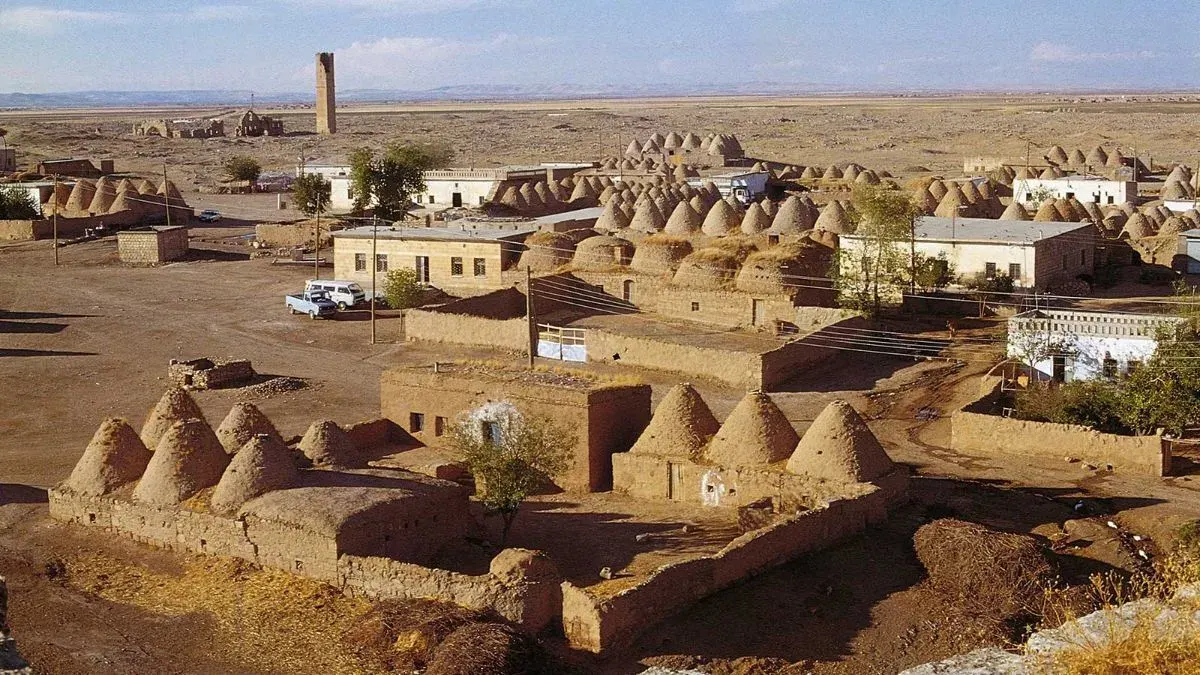
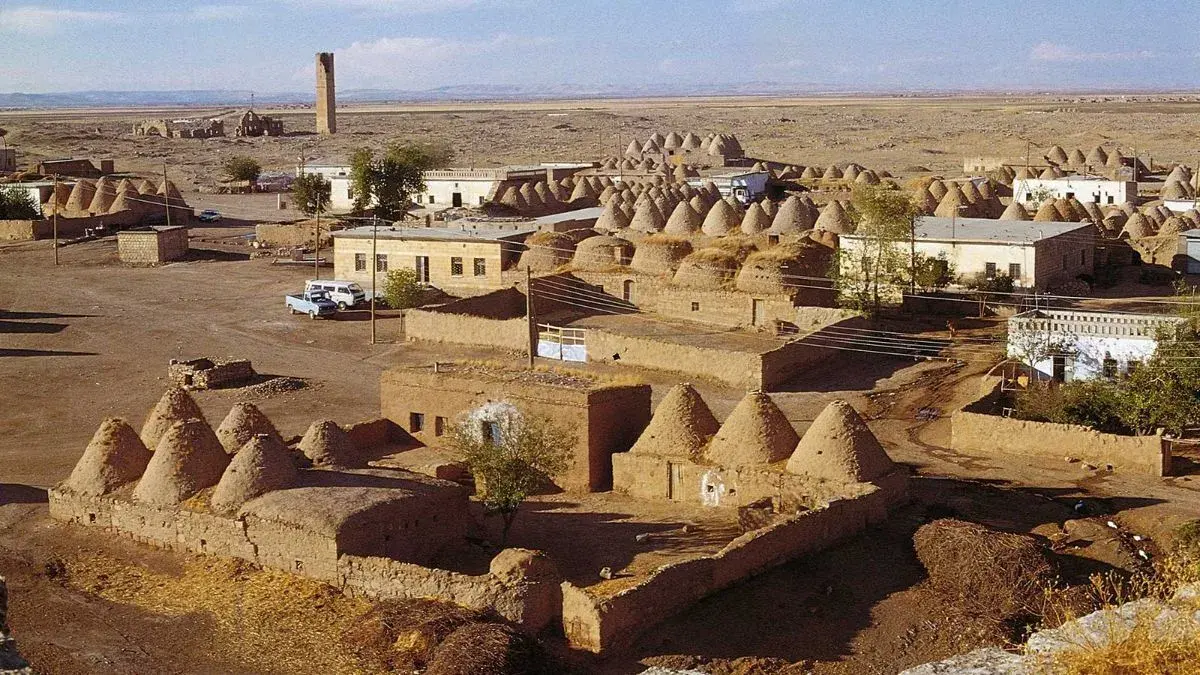
The iconic beehive houses
The most recognizable feature of Harran is its traditional beehive-shaped houses. Built entirely from mudbrick without the use of wood, these structures are designed to keep interiors cool during the intense heat of the Southeastern Anatolian summer. Their conical shape also provides structural stability and efficient drainage during rare but heavy rains.
Visiting these houses with a guide offers a deeper understanding of the local lifestyle and architectural ingenuity. Many of these dwellings have been preserved to showcase how generations lived in harmony with the harsh environment of the Harran Plain.
When to visit Harran
The climate in Harran is characterized by very hot, dry summers and mild, occasionally rainy winters. The best time to visit is during the spring (April to May) or autumn (September to October) when temperatures are pleasant for walking through the archaeological site. If you visit during the summer, plan for early morning or late afternoon excursions to avoid the peak heat of the day.
Combining your visit
Harran is typically visited as part of a broader exploration of the Şanlıurfa province. Many travelers combine a trip to Harran with a visit to the nearby Göbeklitepe, the world's oldest known temple complex, or the historic center of Şanlıurfa city. Your guide can coordinate these visits to ensure you experience the full historical spectrum of the region, from prehistoric sites to medieval Islamic architecture.
Tips for your guided days
Dress appropriately for the climate; light, breathable clothing and a hat are essential for sun protection. Comfortable walking shoes are recommended for exploring the uneven ground of the archaeological site. Since Harran is an open-air destination, staying hydrated is crucial. Your guide will manage the timing of your visits to ensure you have the best light for photography and the most comfortable experience possible.
How booking a Harran guide works
To book, select Harran, your date, and language in the search box. You will see the availability of licensed guides and the typical daily rate. Once you submit your request, we connect you with an available guide within 24 hours.
English-speaking guides in Harran typically start from about €120 per day; rarer languages can cost more. The daily rate covers guiding services only; entrance fees, meals, and transport are separate. We do not process payments online; you pay your guide directly in cash at the start of your tour.
If you require transport, we can arrange a private vehicle with a driver to accompany you from your hotel in Şanlıurfa to Harran and back, ensuring a seamless and comfortable journey.