Exploring İznik with a licensed guide
The historical significance of İznik
İznik, formerly Nicaea, is one of the most important historical centers in the Marmara region. As the site of the First and Seventh Ecumenical Councils, it holds a unique place in Christian history. Beyond its religious significance, the town served as a capital for the Empire of Nicaea and later became a vital center for Ottoman art and culture, particularly famous for its intricate tile production.
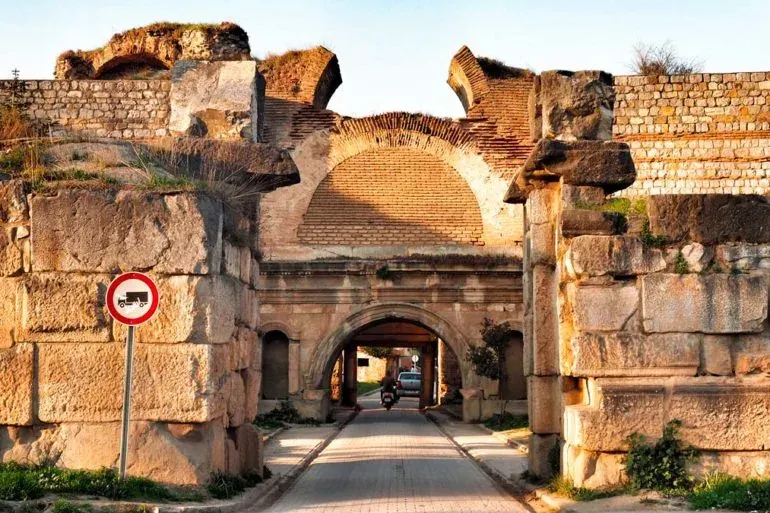
A licensed guide helps you navigate these layers of history. Whether you are exploring the Roman Theatre, the ancient city gates, or the remnants of the underwater basilica, your guide provides the context that brings these archaeological sites to life. In Türkiye, professional guiding is regulated by the Tourist Guiding Profession Law (No. 6326), ensuring you receive expert information from a guide registered with the Bursa Guides Chamber (BURO).
Guides for İznik are registered with the regional guide chamber, where 168 licensed guides are registered today. The most common guide languages here are English, Arabic, Russian, German, Spanish, French.
What your guide will show you
Your tour of İznik typically begins with the ancient city walls, which still define the layout of the old town. You can visit the Roman Theatre, a significant structure that reflects the city's classical past. The İznik Museum, housed in the historic Nilüfer Hatun Imaret, offers a deep dive into the region's heritage, showcasing artifacts from the prehistoric era to the Ottoman period.
The town is also synonymous with İznik tiles. Your guide can take you to workshops where traditional techniques are still practiced, allowing you to see how these world-renowned ceramics are crafted. A walk through the town also reveals Ottoman-era mosques and lodges, such as the Nilüfer Hatun Imaret, which provide insight into early Ottoman social and religious life.
When to visit İznik
İznik enjoys a mild climate, making it a pleasant destination throughout the year. Spring and autumn are particularly ideal for walking through the historic streets and visiting the archaeological sites. Summer can be warm, but the proximity to İznik Lake provides a refreshing atmosphere. Winter is quieter, offering a more contemplative experience for those interested in history and architecture.
The art of İznik tiles
No visit to İznik is complete without exploring its ceramic heritage. The town's tile production reached its peak during the 16th century, adorning some of the most famous mosques in Istanbul. Your guide can explain the evolution of these patterns, the chemistry of the glazes, and the significance of the motifs used. Many visitors enjoy the opportunity to see artisans at work or visit local galleries to appreciate the craftsmanship firsthand.
Tips for your visit
Wear comfortable walking shoes, as the historic center is best explored on foot. If you plan to visit the archaeological sites, check with your guide about the best times to avoid crowds. Remember that while some sites are outdoors, others are within museums that have specific operating hours. Your guide will handle the logistics, ensuring you have a smooth and informative experience.
How to book your İznik guide
To book a guide, use the search tool at the top of this page. Select İznik, your travel dates, and your preferred language. You will see the number of available licensed guides in the region and the typical daily rate. Once you submit your request, we will connect you with a guide, and you will receive their details within 24 hours.
English-speaking guides in the Bursa region typically start from about €120 per day; rarer languages can cost more. The daily rate covers guiding services only; entrance fees, meals, and transportation are separate. We do not process payments online, so you will pay your guide directly in cash at the start of your tour. If you require private transportation, we can arrange a vehicle and driver to accompany you throughout your day in İznik.