Discovering Kütahya with a licensed guide
The heritage of Kütahya
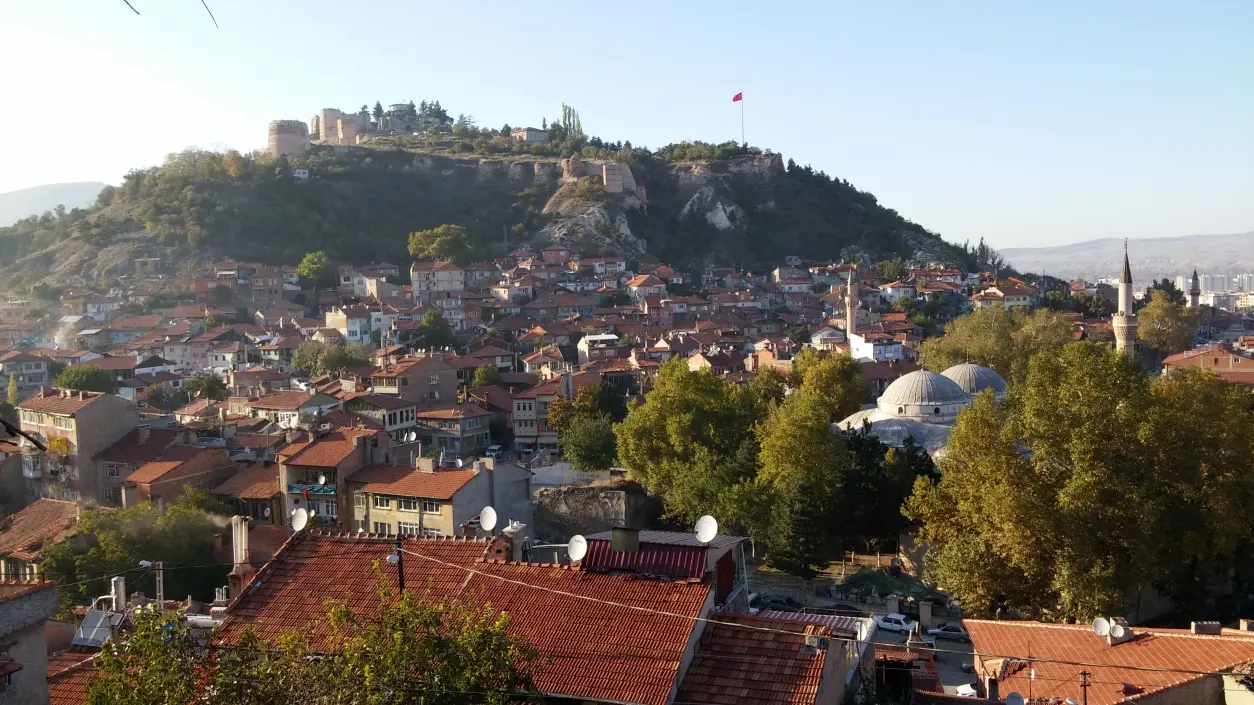
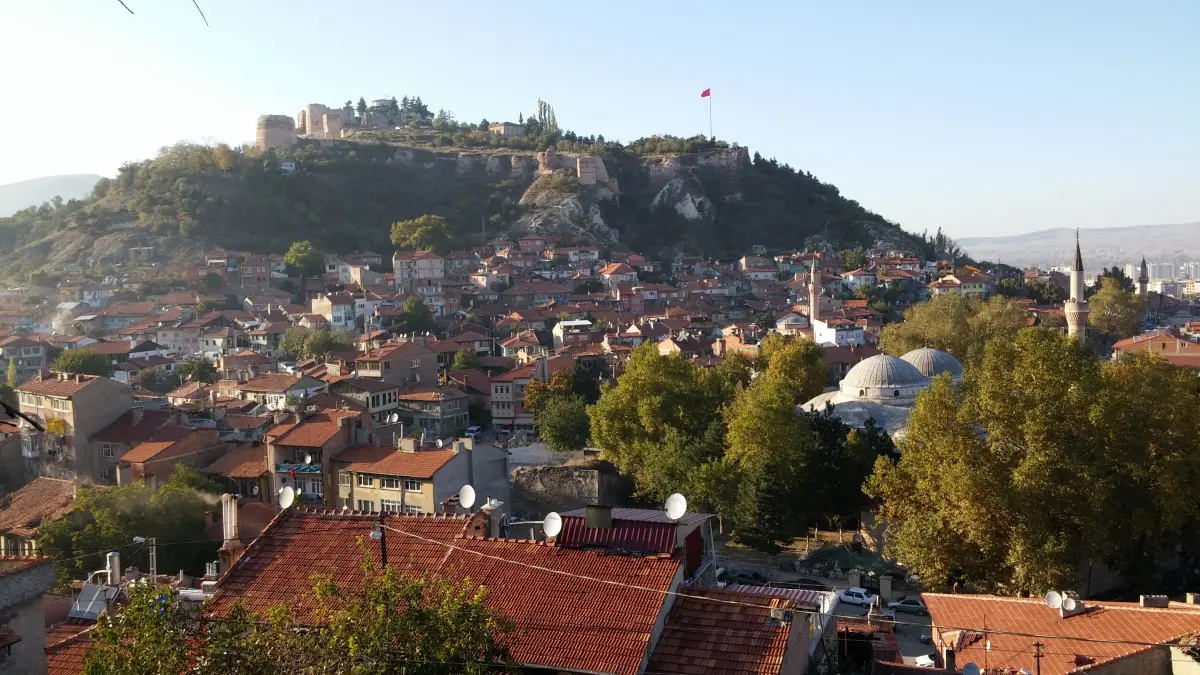
Kütahya is a hidden gem of Western Anatolia, celebrated for its centuries-old ceramic and tile-making traditions. A licensed tourist guide helps you navigate the city's rich history, from its roots as a Phrygian center to its significance during the Germiyanid and Ottoman periods. By hiring a professional, you gain access to the stories behind the intricate patterns of Kütahya tiles and the architectural evolution of its historic madrasas.
In Türkiye, professional guiding at museums and archaeological sites is strictly regulated under the Tourist Guiding Profession Law (No. 6326). Every guide we work with is licensed by the Ministry of Culture and Tourism and registered with the regional chamber. In this area, that is the Bursa Guides Chamber (BURO), where 168 licensed guides are registered. The most common guide languages here are English, Arabic, Russian, German, Spanish, French.
A private guide offers a personalized experience, allowing you to explore at your own pace. Whether you are interested in the fine details of ceramic art or the archaeological depth of the Aizanoi site, your guide ensures you don't miss the historical context that makes these sites truly meaningful.
Must-see sites in the region
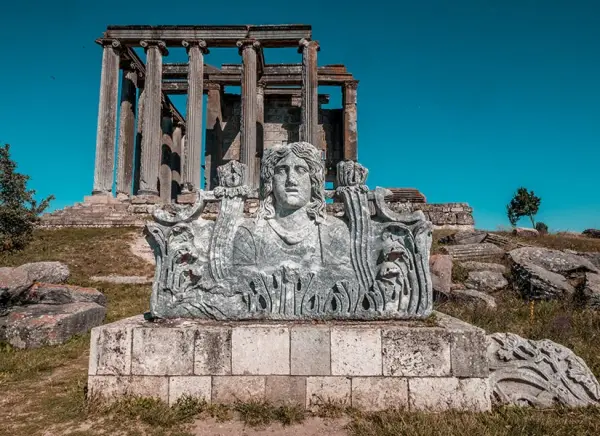
The standout site in the province is the Aizanoi Archaeological Site, located in Çavdarhisar. Often compared to Ephesus, it features one of the best-preserved Temples of Zeus in the world, as well as a unique ancient stadium-theatre complex. Your guide can explain the significance of the Penkalas river bridge and the ancient market structures that still stand today.
Within the city center, the Kütahya Museum, housed in the 14th-century Vacidiye Medresesi, offers a journey through time with artifacts spanning from the Paleolithic era to the Phrygian and Hellenistic periods. For those fascinated by craftsmanship, the Museum of Ceramics and the Encaustic Tile Museum are essential stops, showcasing masterpieces that have defined Kütahya's identity for generations.
History enthusiasts should also visit the Kossuth's House Museum, an 18th-century residence that once hosted the Hungarian leader Lajos Kossuth. It provides a unique look at the cultural ties between Türkiye and Hungary, preserved within a beautiful traditional wooden house.
When to visit Kütahya
Kütahya experiences a continental climate with distinct seasons. Spring (April–June) and autumn (September–October) are the most pleasant times to visit, offering mild temperatures perfect for walking through the Aizanoi archaeological site. Summer can be quite warm, while winter brings cold temperatures and occasional snow, which can make the landscape beautiful but travel more challenging.
Tips for your visit
Wear comfortable walking shoes, especially for exploring the Aizanoi site, where you will be walking over uneven ancient ground. If you are visiting in summer, bring a hat and sunscreen. Always carry some cash for entrance fees and small local purchases, as some smaller sites may not accept cards.
Plan your day to start early, particularly if you are visiting Aizanoi, which is located about 48 km from the city center. A private guide can help you coordinate transport and ensure you have enough time to appreciate the intricate details of the tile museums without feeling rushed.
How booking a Kütahya guide works
To book, simply select Kütahya, your travel dates, and your preferred language in the search box. You will see the availability of licensed guides in the region. Once you send your request, we will connect you with an available guide, and you will receive their details within 24 hours.
English-speaking guides in Kütahya typically start from about €120 per day; rarer languages can cost more. The daily rate covers your guide's professional services. Entrance tickets, transport, and meals are not included. We do not take payments online; you pay your guide directly in cash at the start of your tour.
If you need assistance with transportation, we can arrange a private vehicle with a driver to accompany you throughout your tour, making your visit to sites like Aizanoi much more convenient.