Exploring Konya with a licensed guide
The spiritual and historical depth of Konya
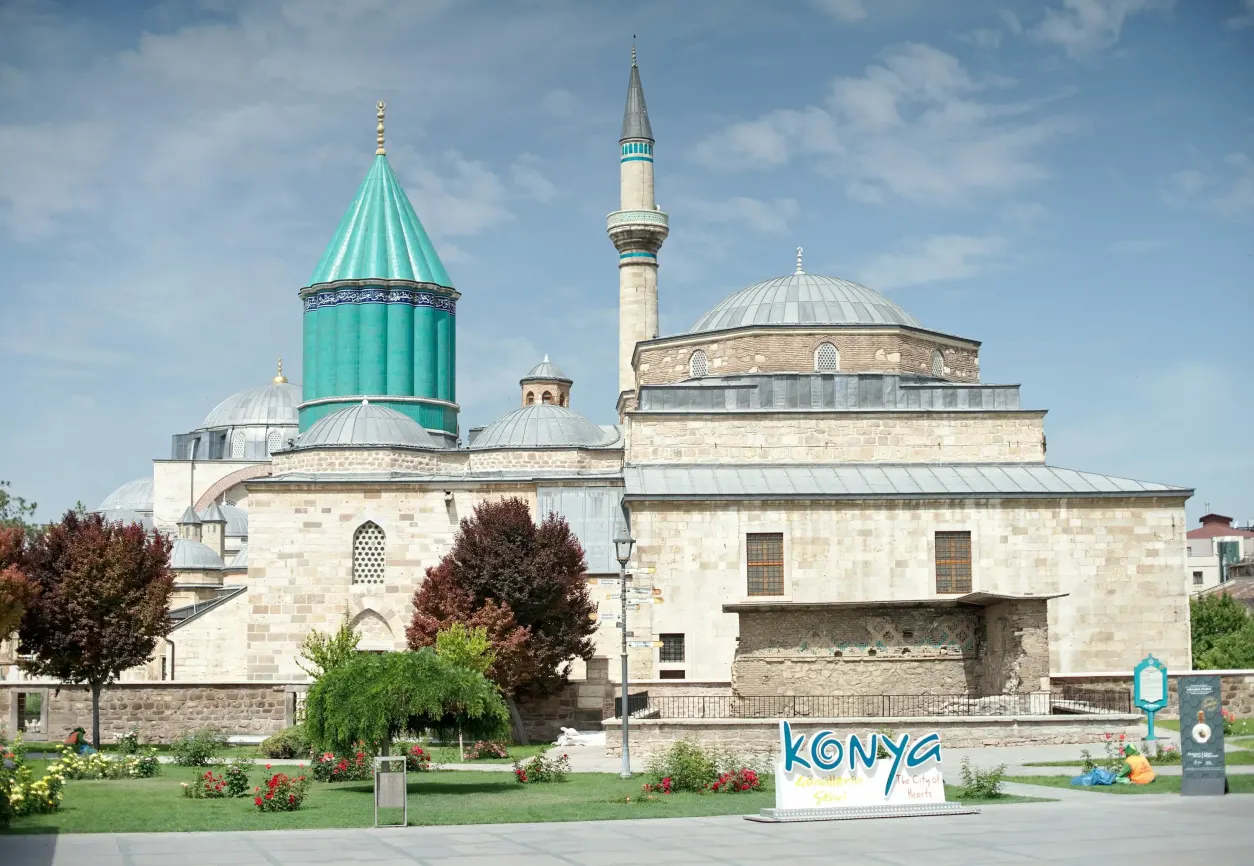
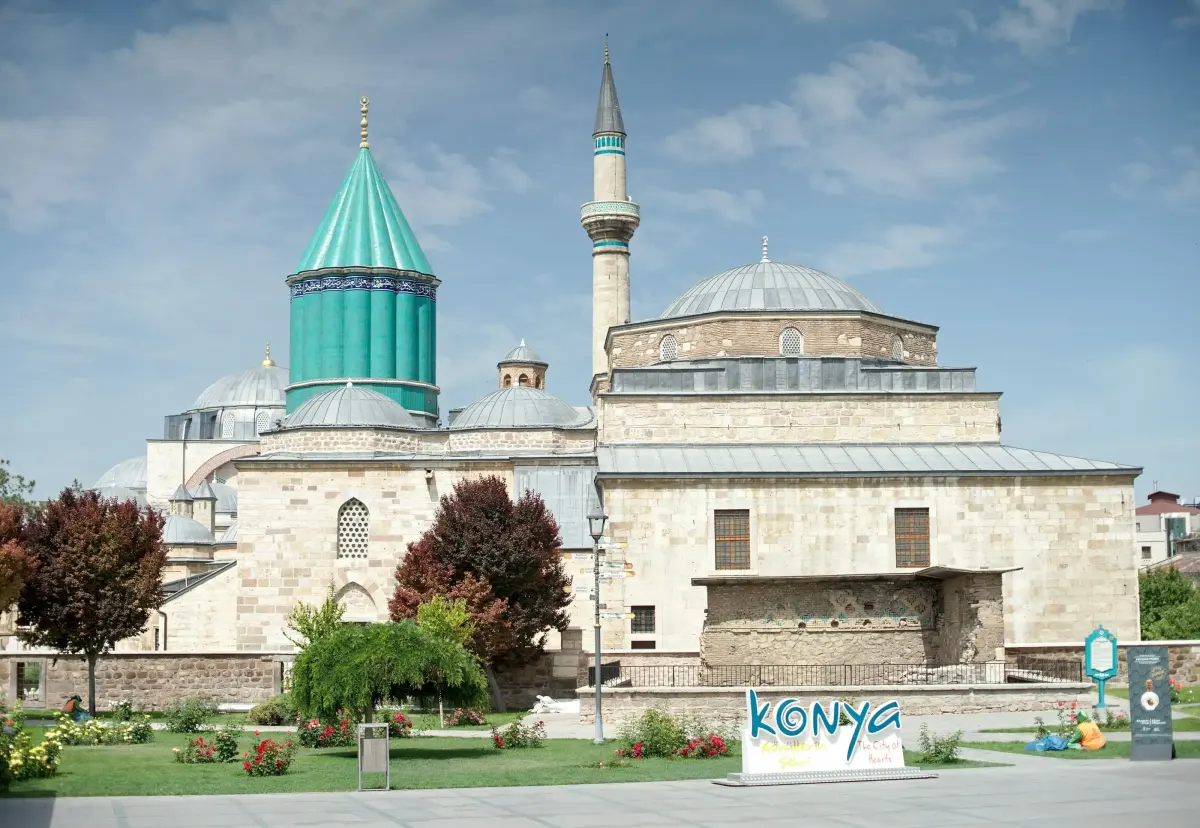
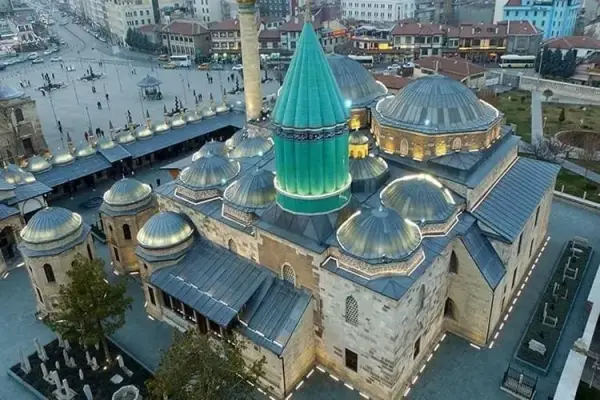
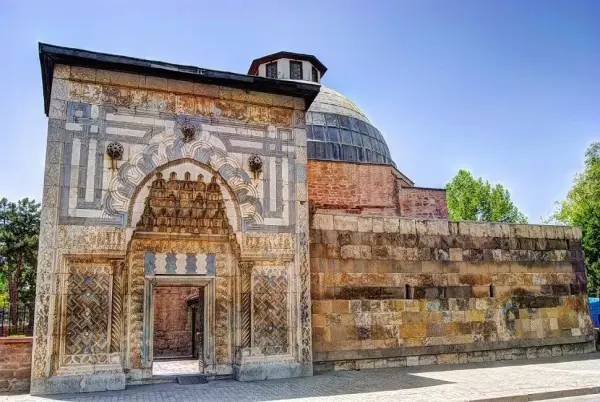
Konya is one of the oldest continuously inhabited cities in the world, serving as the capital of the Anatolian Seljuk Sultanate and the final resting place of the philosopher and poet Mevlana Rumi. A licensed tourist guide helps you navigate this rich tapestry, from the serene atmosphere of the Mevlana Museum to the intricate tile work of the Karatay Madrasa. Understanding the context of Sufi philosophy and the architectural brilliance of the Seljuk era requires the deep local knowledge that only a professional guide can provide.
In Türkiye, professional guiding is regulated by the Tourist Guiding Profession Law (No. 6326). Every guide we work with is licensed by the Ministry of Culture and Tourism and registered with a regional chamber. For Konya, our guides are registered with the Ankara Tourist Guides Chamber (ANRO), where 714 licensed guides are available to assist you. The most common guide languages here are English, French, Spanish, German, Russian, Italian.
A private guide offers a personalized experience, allowing you to explore the city at your own pace. Whether you are interested in the religious history of the dervishes or the archaeological wonders of the Neolithic period, your guide will tailor the narrative to your interests.
Key sites your guide will show you
The centerpiece of any visit is the Mevlana Museum, the lodge of the Mevlevi dervishes. Your guide will explain the significance of the green dome, the tomb of Rumi, and the daily life of the dervishes. Nearby, the Karatay Madrasa offers a stunning display of Seljuk tile art, while the Konya Archeological Museum provides a comprehensive look at the region's history from the Neolithic age through the Bronze and Iron ages.
Outside the city center, the Neolithic site of Çatalhöyük is a must-see. As one of the earliest urban settlements in human history, it offers a unique glimpse into life 9,000 years ago. Your guide can provide the necessary archaeological context to help you visualize how these early communities lived in their mud-brick houses.
Other notable sites include the Atatürk House Museum and the Western Front Headquarters Museum, which provide insight into the Turkish War of Independence. For those interested in local culture, the Akşehir Nasreddin Hodja Museum offers a charming look at the folklore and humor of the region.
When to visit Konya
Konya experiences a continental climate with cold, snowy winters and hot, dry summers. Spring (April to June) and autumn (September to October) are the most pleasant times for sightseeing, offering comfortable temperatures for walking through the city's historical sites and exploring the nearby archaeological ruins. If you visit in December, you may witness the annual Şeb-i Arus ceremonies, which commemorate the reunion of Mevlana with the Divine.
Tips for your visit
Konya is a city that respects its traditions. When visiting religious sites like the Mevlana Museum, dress modestly. Comfortable walking shoes are essential, especially if you plan to visit the archaeological site of Çatalhöyük, where terrain can be uneven. Always carry some cash for entrance fees and small purchases, as some smaller sites may not accept cards.
How booking a Konya guide works
To book a guide, select Konya, your date, the number of days, the language, and your group size in the search box. We will connect you with an available licensed guide within 24 hours.
English-speaking guides in Konya typically start from about €120 per day; rarer languages can cost more. The daily rate covers guiding services only. Entrance tickets, transport, and meals are not included. We do not take payments online; you pay your guide directly in cash at the start of your tour.
If you need help with logistics, we can arrange a private vehicle with a driver to accompany you, which is highly recommended for visiting sites outside the city center like Çatalhöyük.