Exploring Pamukkale with a licensed guide
What a licensed guide does in Pamukkale
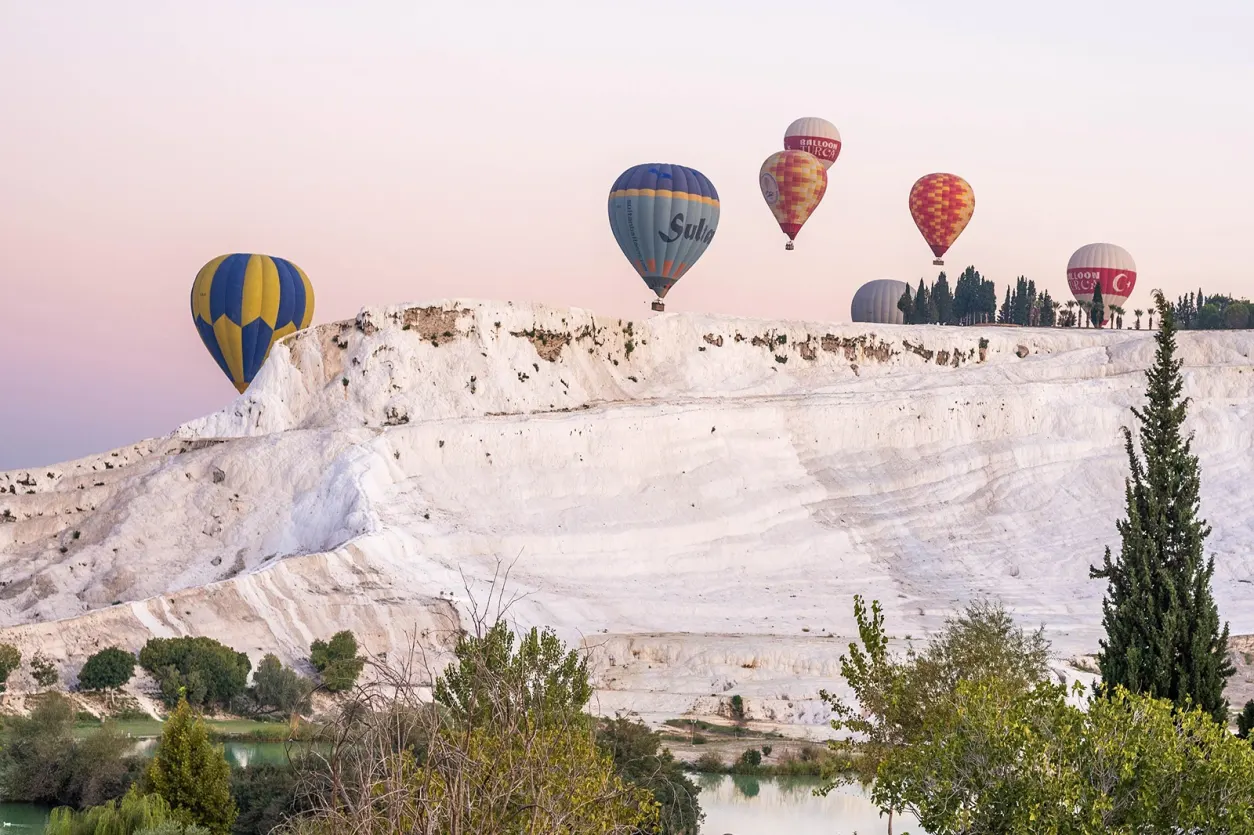
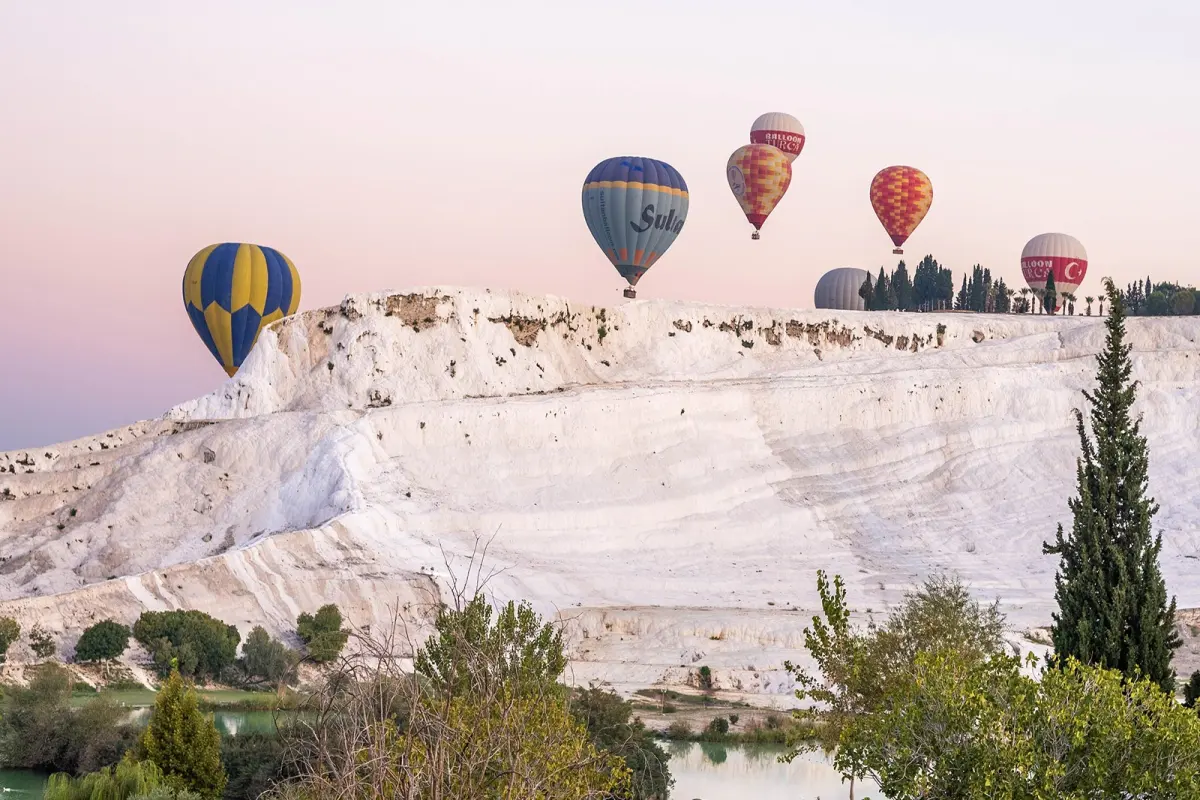
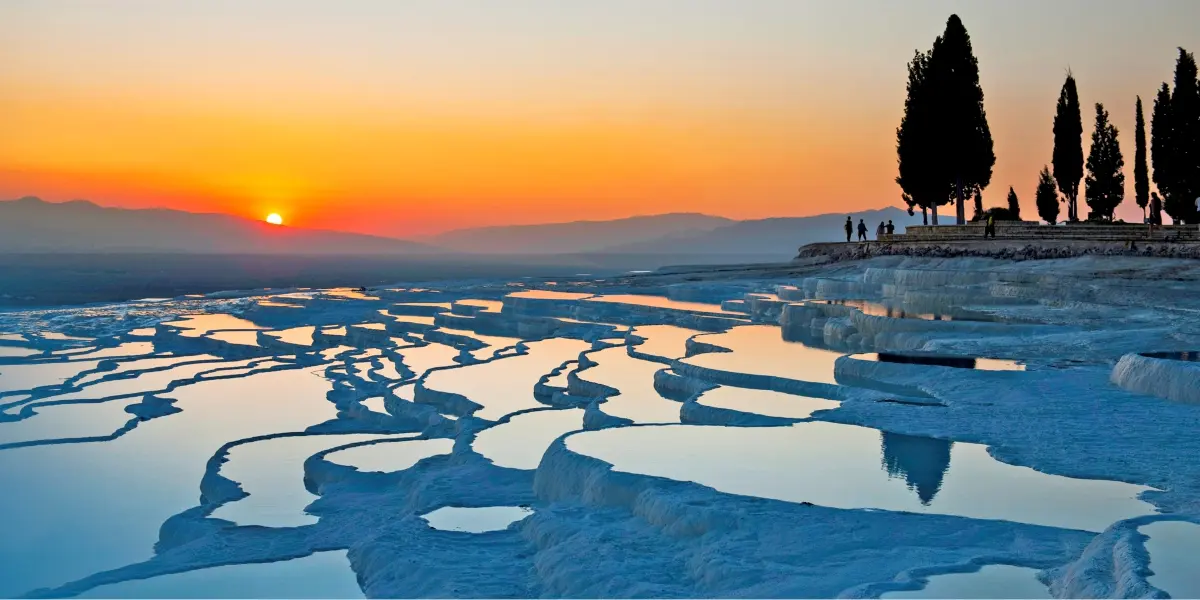
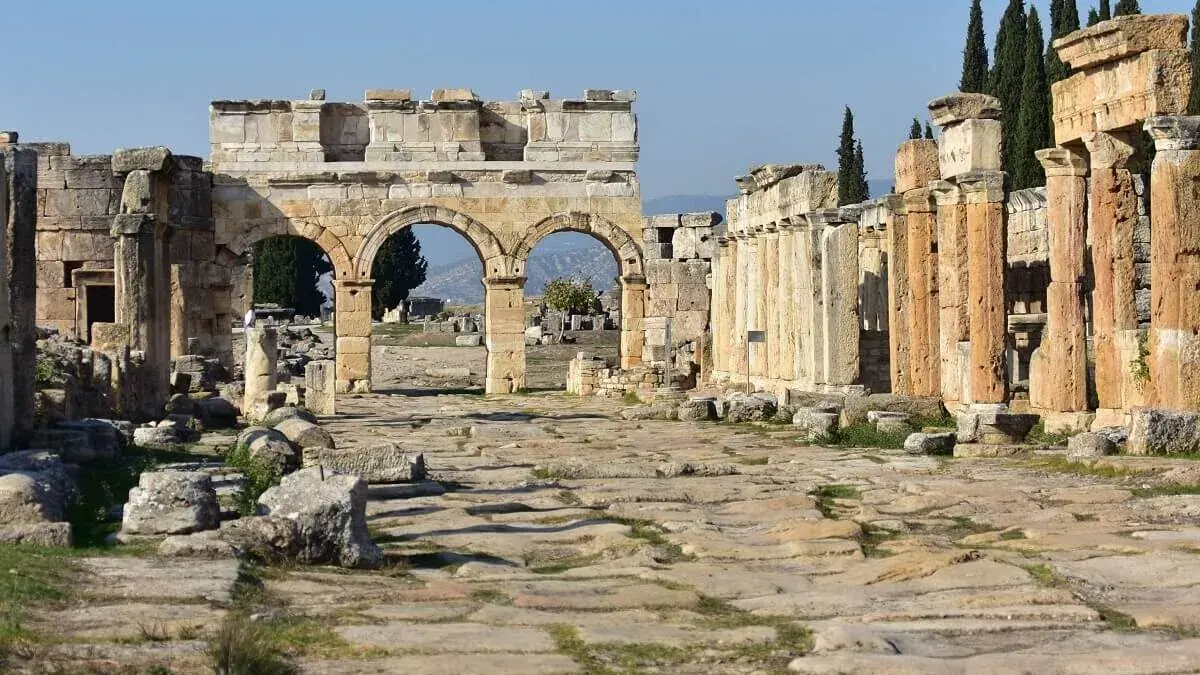
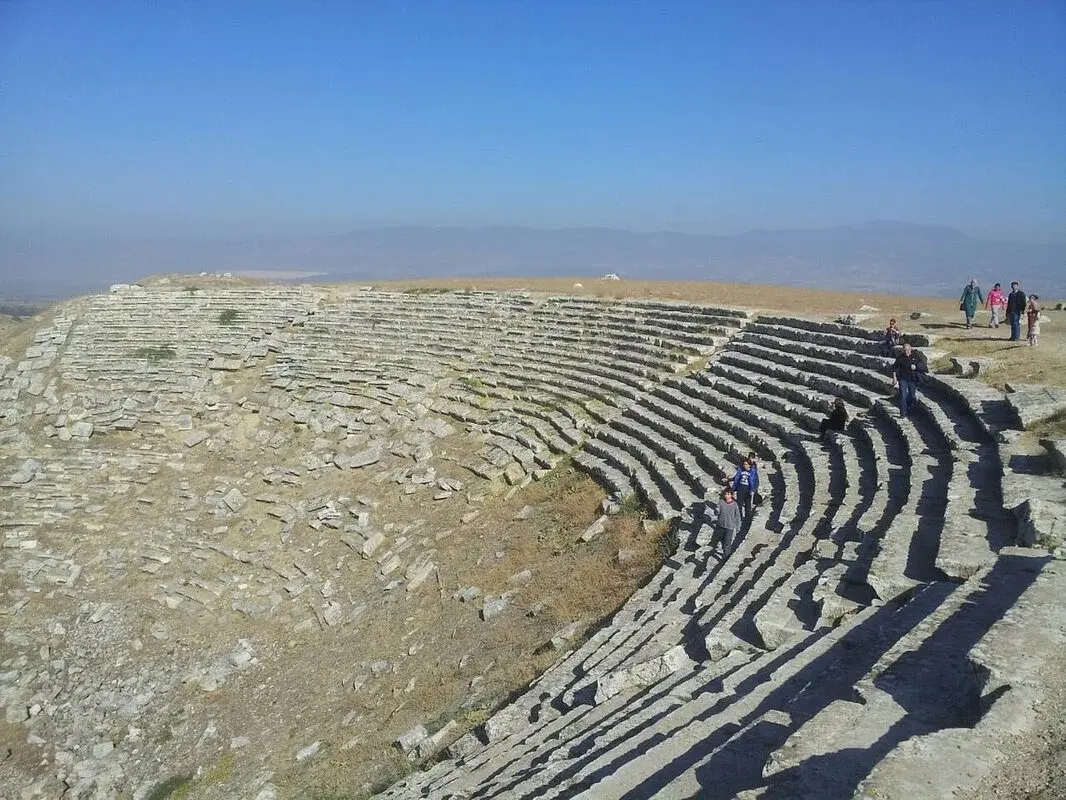
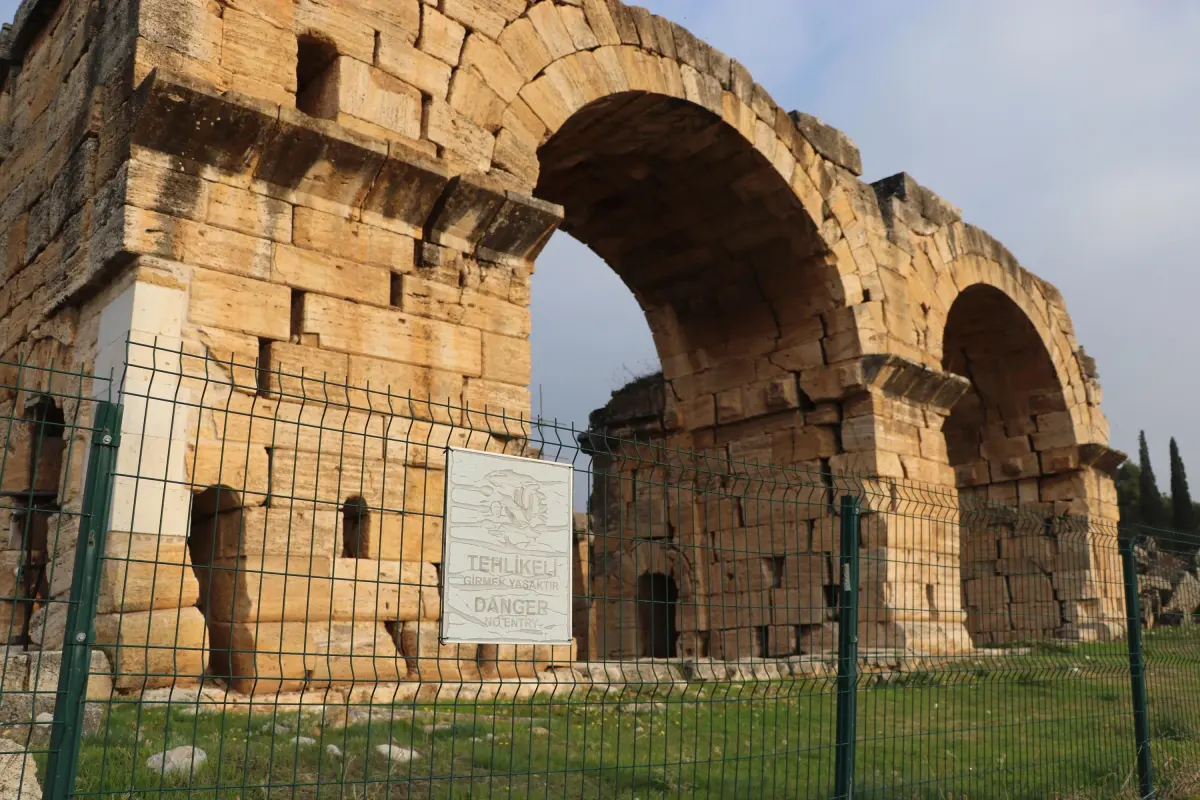
Pamukkale is famous for its cascading white travertine terraces, but the site is also home to the vast ancient city of Hierapolis. A licensed tourist guide helps you navigate this UNESCO World Heritage site, explaining how the thermal waters created the unique landscape and detailing the history of the ancient city founded by the Kings of Pergamon. They bring to life the stories of the Roman baths, the theatre, and the necropolis.
In Türkiye, professional guiding at museums and archaeological sites is reserved for licensed tourist guides under the Tourist Guiding Profession Law (No. 6326). Every guide we work with holds a licence from the Ministry of Culture and Tourism, is registered with a regional guide chamber and wears the official badge. In this region, guides are registered with the İzmir Tourist Guides Chamber (İZRO), where 903 licensed guides are registered today. The most common guide languages here are English, French, German, Spanish, Italian, Russian.
A private guide works only for your group. They plan the day with you, suggest the best times to visit the terraces to avoid the midday sun, explain the intricate history of the ruins in your own language and adapt the pace for your comfort.
Where your guide will take you
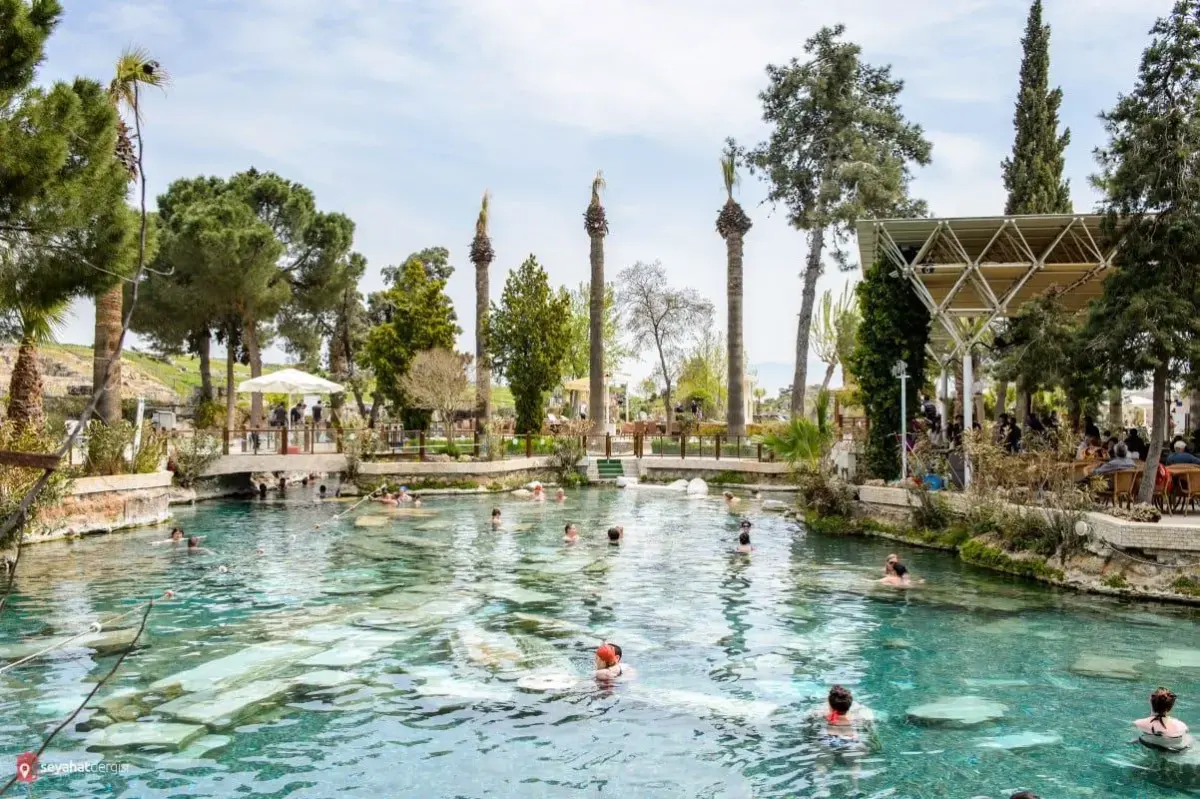
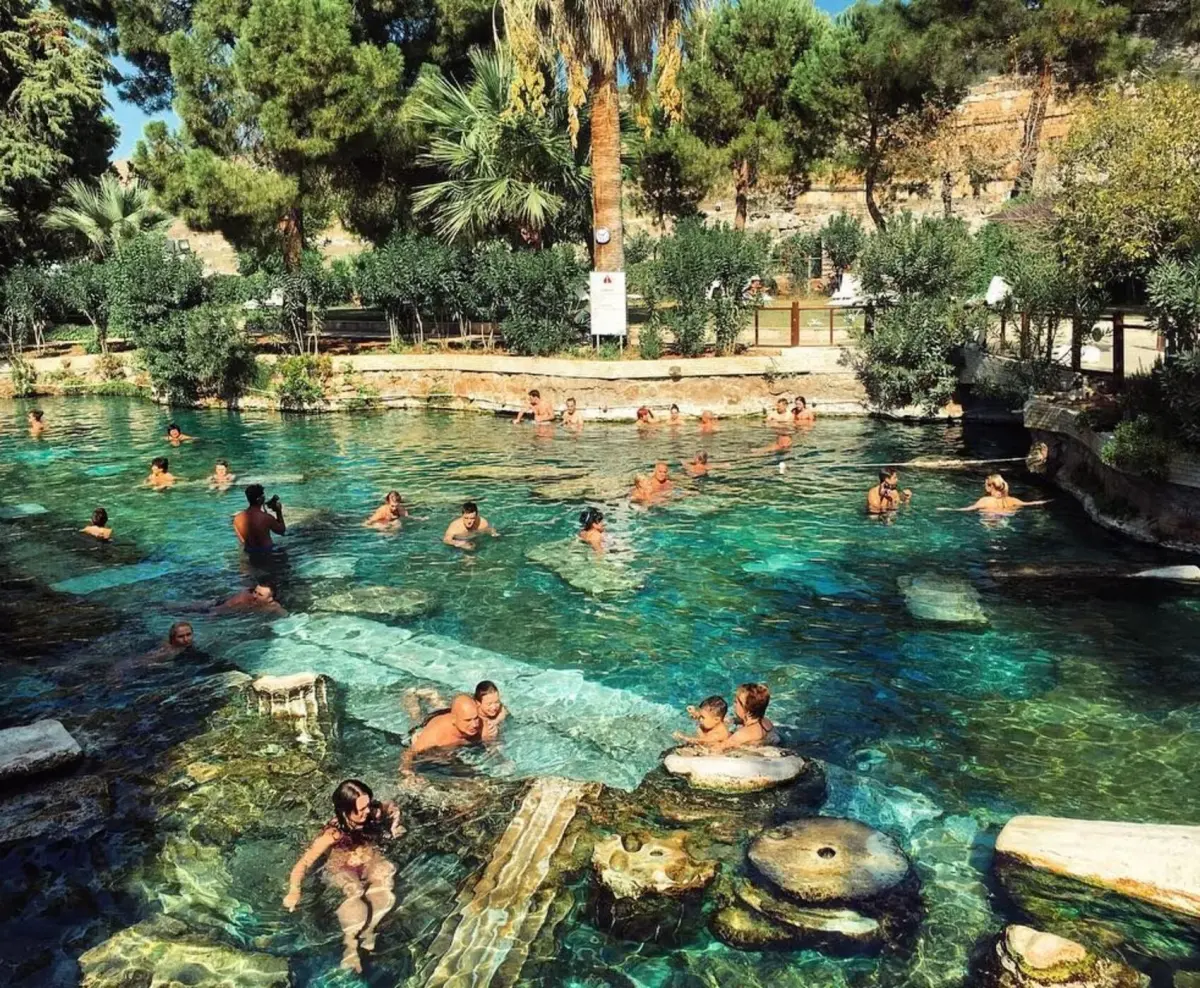
The primary site is the Hierapolis-Pamukkale complex. Your guide will lead you through the ancient city, including the Great Bath building, the gymnasium, and the library. You can walk across the white travertines and visit the Cleopatra Antique Pool, where you can swim among ancient columns submerged by earthquakes centuries ago. The Hierapolis Archaeology Museum, housed in the former Roman bath, is also a highlight.
Beyond the main site, your guide can take you to the nearby Laodicea Archaeological Site, an important ancient city that has seen significant excavation and restoration work by Pamukkale University. Another option is the Tripolis Archaeological Site, which offers a glimpse into the region's rich historical layers.
Your guide can tailor the itinerary to your interests, whether you want to focus on the geological wonders of the terraces or the deep history of the surrounding ancient cities. They ensure you see the most significant structures while managing the logistics of your visit.
When to visit Pamukkale
Spring (April to June) and autumn (September to October) are the most pleasant times to visit, offering mild temperatures perfect for walking through the archaeological sites. Summer can be very hot, so early morning visits are highly recommended to enjoy the terraces before the heat peaks. Winter is cooler and quieter, providing a more peaceful experience, though some days may be rainy.
Tips for your guided days
Wear comfortable shoes and bring a bag for your footwear, as you will be required to walk barefoot on the travertine terraces to protect them. Bring a hat, sunscreen, and plenty of water, especially during the warmer months. If you plan to swim in the Cleopatra Pool, bring your swimwear and a towel. Your guide can advise on the best entry points to manage the walking distance effectively.
How booking a Pamukkale guide works
Choose Pamukkale, your date, the number of days, the guide language and your group size in the search box at the top of this page. You will see how many licensed guides in the region speak that language and the typical daily rate. Send the reservation request and we contact available guides; you receive your guide's contact details within 24 hours.
English-speaking guides in Pamukkale typically start from about €120 per day; rarer languages can cost more. The daily rate covers one destination and guiding only — entrance tickets, transport and meals are not included. Rates are indicative and confirmed when you book. We do not take any payment online: the guide is paid directly in cash at the start of the tour.
If no local guide speaks your language, a guide can come from another region; their travel and accommodation are then added to the booking. Need transport as well? A private car or van with driver can be arranged together with your guide — see the vehicle options below.