Discovering the ancient capital of Pergamon
The role of a licensed guide in Pergamon
Pergamon is one of the most significant archaeological sites in Türkiye, once the capital of the Attalid dynasty and a major center of Hellenistic culture. A licensed tourist guide brings these ruins to life, explaining the architectural marvel of the steep theater, the history of the famous library that once rivaled Alexandria, and the significance of the Altar of Zeus. Without a guide, the complex layers of history—from the Hellenistic period to the Roman and Byzantine eras—can be difficult to interpret.
In Türkiye, professional guiding is strictly regulated under the Tourist Guiding Profession Law (No. 6326). Every guide we work with is licensed by the Ministry of Culture and Tourism and registered with a regional chamber. In this area, that is the İzmir Tourist Guides Chamber (İZRO), where 903 licensed guides are registered. The most common guide languages here are English, French, German, Spanish, Italian, Russian.
A private guide offers a personalized experience, allowing you to explore the Acropolis at your own pace, avoid the largest crowds, and dive deeper into the stories that interest you most, whether that is ancient medicine at the Asklepion or the engineering behind the Red Basilica.
Key sites your guide will cover
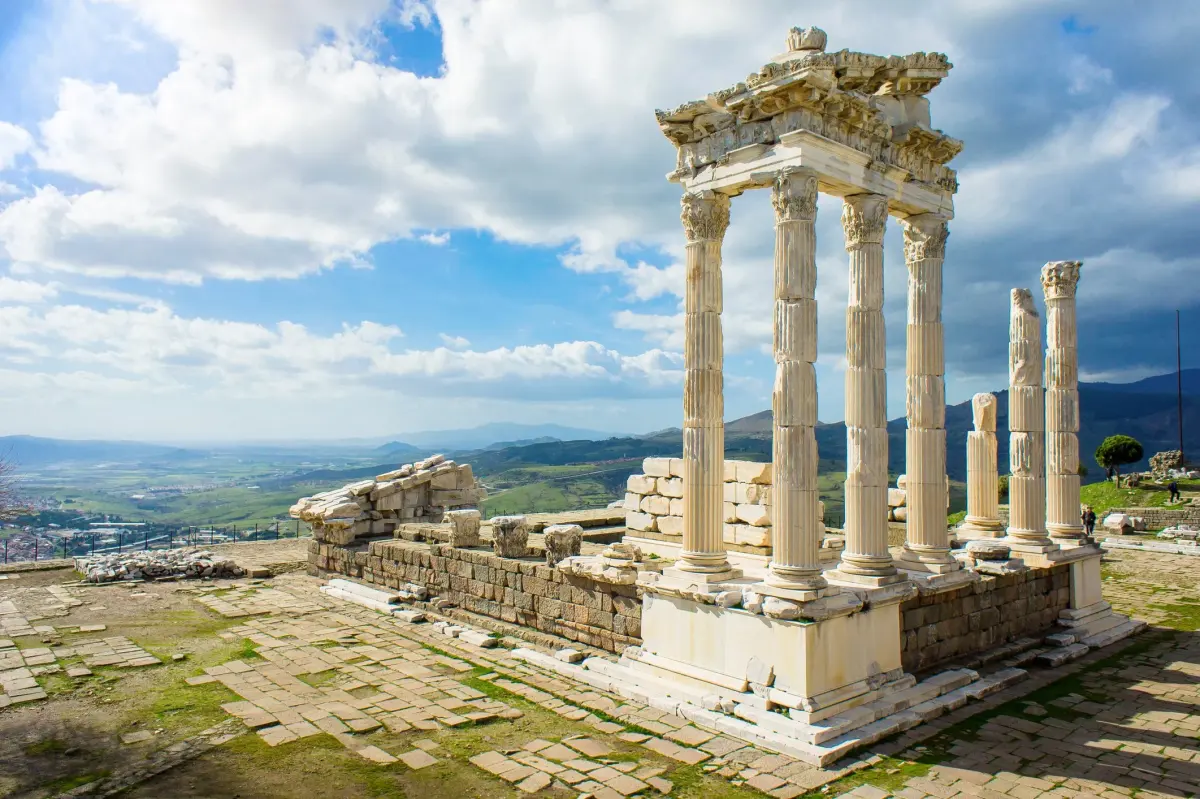
The Acropolis is the crown jewel of Pergamon, perched high above the modern town of Bergama. Your guide will take you through the remains of the royal palaces, the library, and the Temple of Trajan. The steep theater, built into the side of the hill, offers one of the most dramatic views of any ancient site in the world.
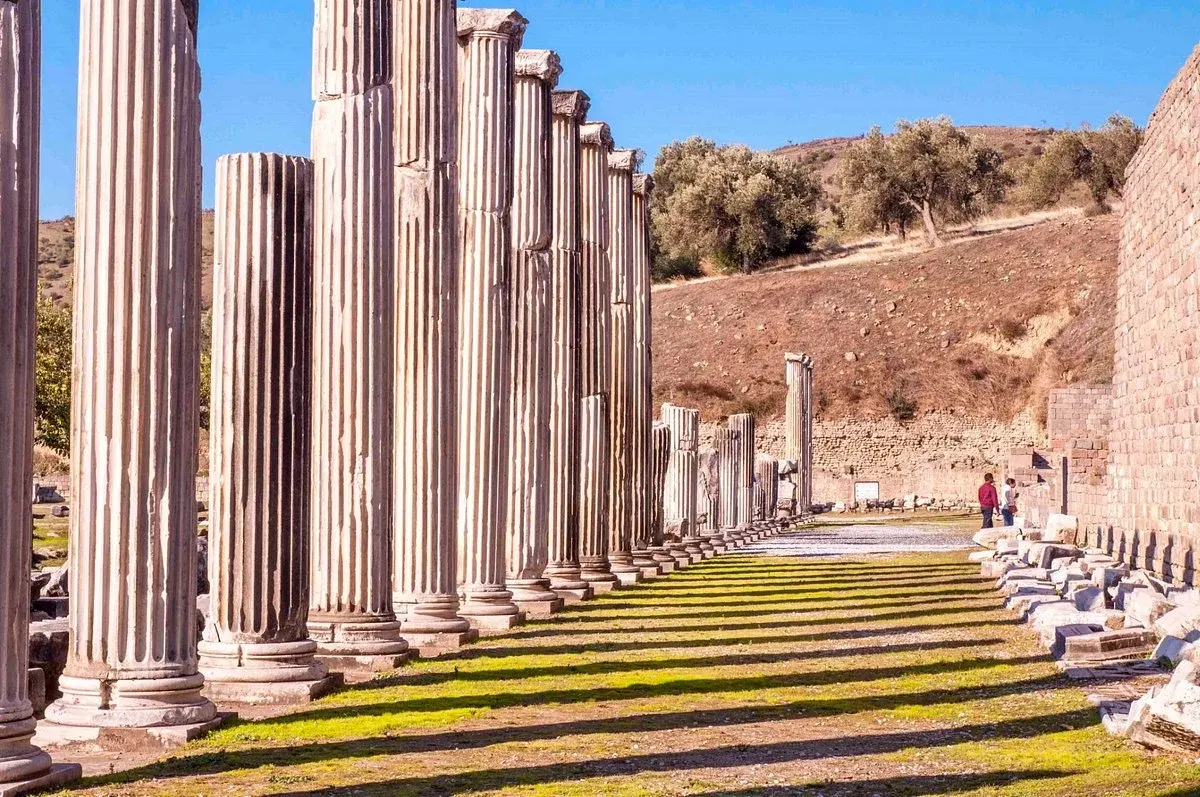
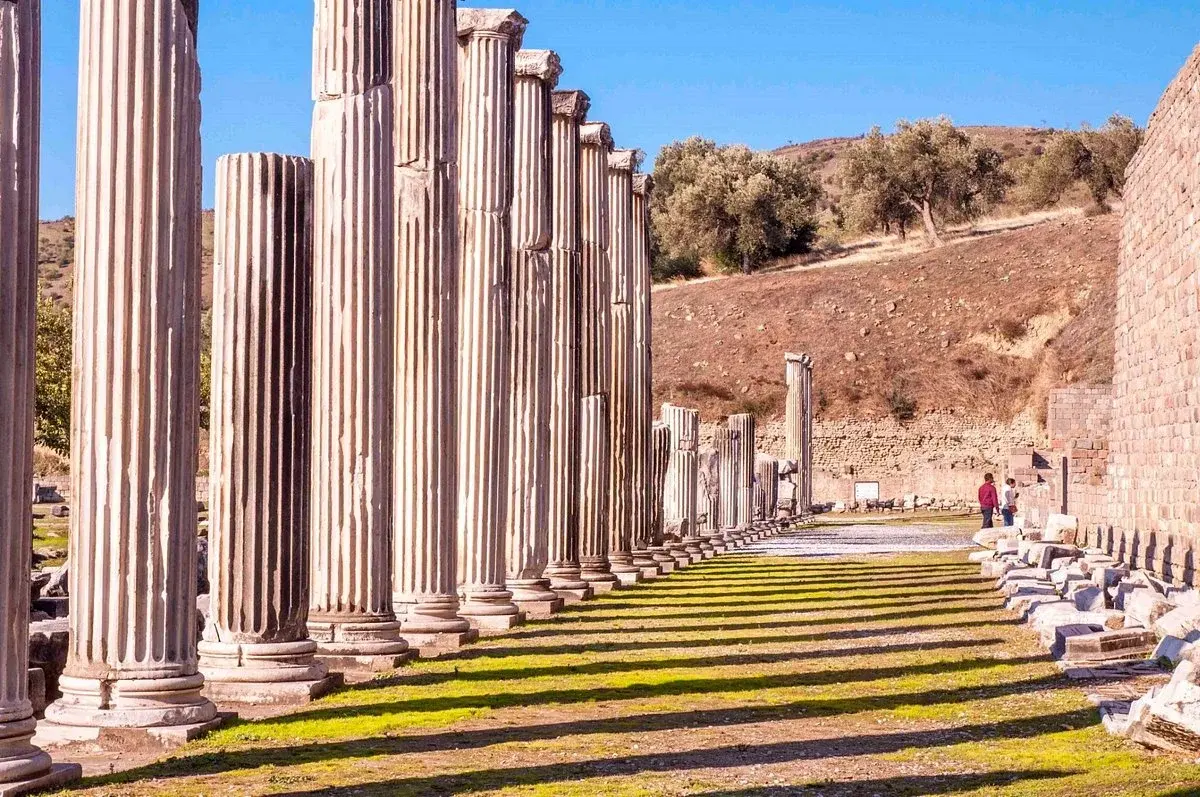
Below the Acropolis lies the Asklepion, an ancient healing center dedicated to the god of medicine, Asclepius. It was here that the famous physician Galen practiced. Your guide will explain the unique treatment methods used, including the use of water, sound, and dream interpretation, and show you the underground tunnel where patients walked while hearing soothing sounds.
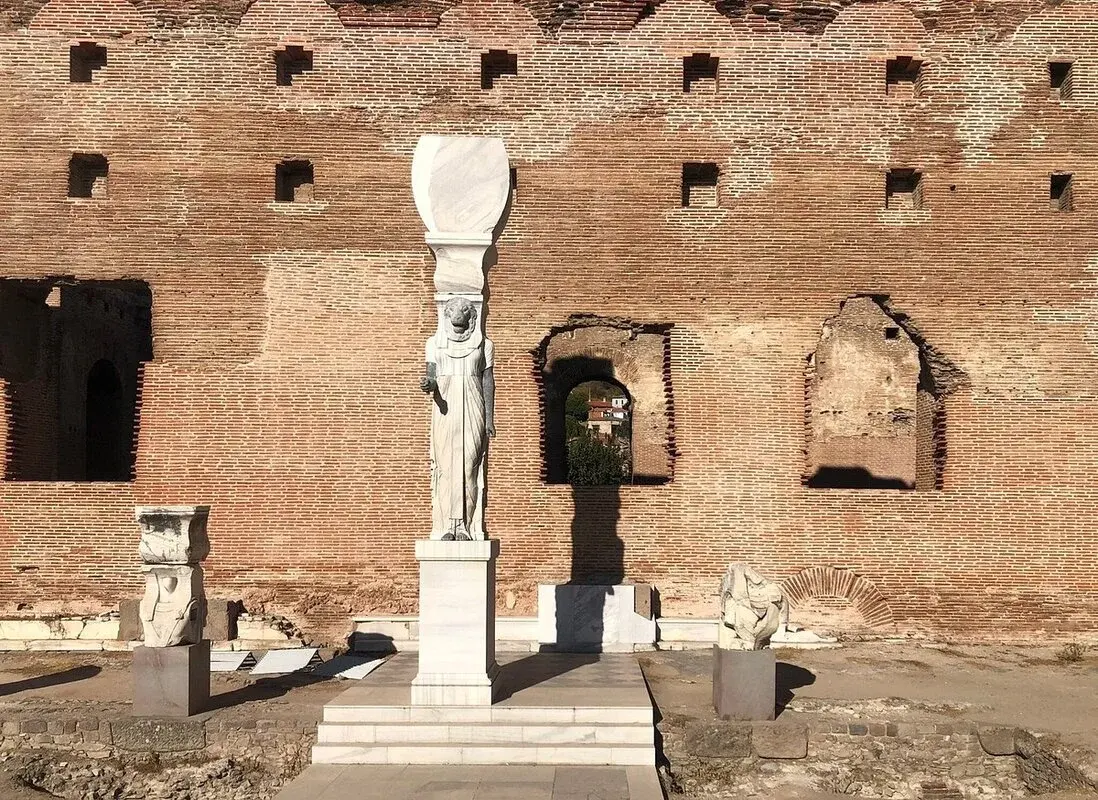
The Red Basilica (Kızıl Avlu) is another essential stop. Originally built as a temple for Egyptian gods in the 2nd century AD, its massive red brick walls are a testament to Roman engineering. Your guide can provide context on how this structure was later converted into a church and its role in the religious history of the city.
Best time to visit Pergamon
The Aegean climate makes spring (April to June) and autumn (September to October) the best times to visit. During these months, the weather is mild, making the climb up the Acropolis comfortable. Summer can be quite hot, especially in the middle of the day, so early morning starts are highly recommended. Winter is cooler and quieter, though you should be prepared for occasional rain.
Planning your guided day
A typical day in Pergamon includes a visit to the Acropolis, the Asklepion, and the Red Basilica. If you have more time, your guide can also take you to the Bergama Museum to see smaller artifacts and statues unearthed during the excavations. Because the sites are spread across the town, having a private vehicle is recommended to move efficiently between the Acropolis and the lower city.
How booking a Pergamon guide works
Select Pergamon, your date, the number of days, the language, and your group size in our search tool. You will see the number of available licensed guides and the typical daily rate. Once you submit your request, we match you with an available guide and provide their contact details within 24 hours.
English-speaking guides in Pergamon typically start from about €120 per day; rarer languages can cost more. The daily rate covers guiding services only; entrance fees, transport, and meals are separate. We do not take payments online; you pay your guide directly in cash at the start of your tour.
If you need transport, we can arrange a private car or van with a driver to accompany you and your guide throughout the day. This ensures a seamless experience as you travel between the different archaeological zones.