Exploring Assos with a licensed guide
The historical significance of Assos
Assos, also known as Behramkale, is one of the most significant archaeological sites in the North Aegean. Founded in the 6th century BC on an extinct volcanic hill, the city was built using durable andesite stone. It is famously known as the place where the philosopher Aristotle lived and taught for several years, founding an academy here.
Your licensed guide will bring the history of this ancient city to life, explaining the architectural techniques of the period and the significance of the city's famous 'man-eating sarcophagi'. These sarcophagi were highly sought after in the ancient world for their unique properties, and your guide can detail how they were exported throughout Anatolia.
What a licensed guide does in Assos
In Türkiye, professional guiding at archaeological sites is reserved for licensed tourist guides under the Tourist Guiding Profession Law (No. 6326). Every guide we work with holds a licence from the Ministry of Culture and Tourism, is registered with a regional guide chamber and wears the official badge. In this region, that is the Çanakkale Regional Tourist Guides Chamber (ÇARO), where 277 licensed guides are registered. The most common guide languages here are English, German, Indonesian, Arabic, Greek, Japanese.
A private guide works only for your group. They help you navigate the steep paths of the ancient site, explain the complex history of the city walls, and provide context to the ruins of the Temple of Athena, which remains one of the most iconic structures in the region.
Where your guide will take you
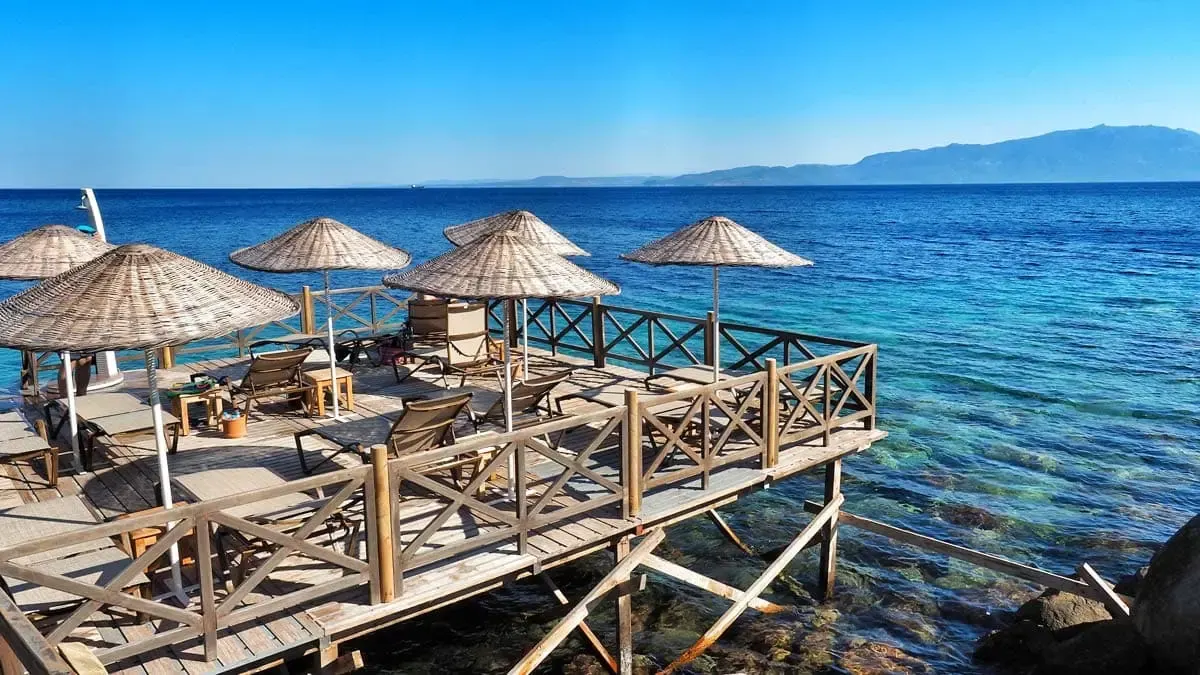
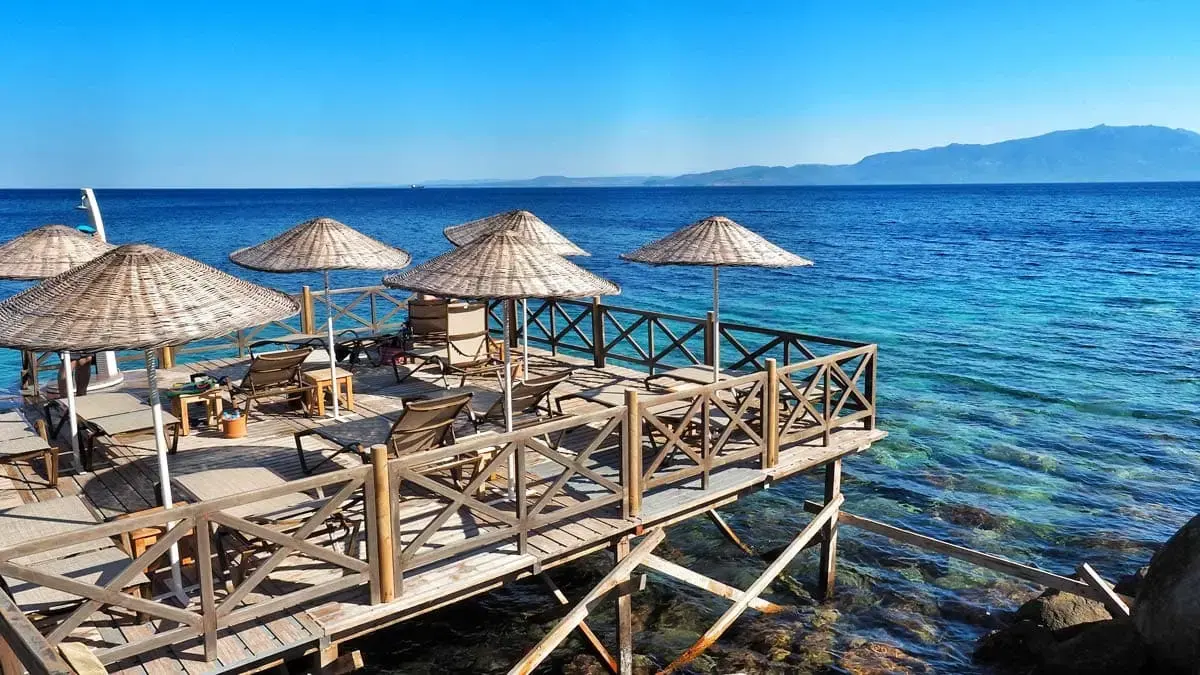
Your tour will typically focus on the Assos Archaeological Site, exploring the acropolis, the ancient city walls, and the Temple of Athena. The site offers panoramic views of the Aegean Sea and Lesbos Island. Your guide will also walk you through the village of Behramkale, where you can see traditional stone houses and the historic Ottoman-era bridge.
Because Assos is located in the Ayvacık district, your guide can also help you explore the surrounding coastal areas or coordinate visits to nearby historical sites in the Çanakkale province, ensuring you get the most out of your time in this region.
When to visit Assos
The best time to visit Assos is during the spring (April to June) and autumn (September to October). During these months, the weather is mild and perfect for walking the hilly terrain of the archaeological site. Summer days can be quite hot, so early morning visits are recommended to avoid the midday sun. Winter is quieter but can be windy and chilly due to the coastal location.
Tips for your guided days
The terrain at the Assos Archaeological Site is uneven and involves walking on volcanic rock, so wearing comfortable, sturdy shoes is essential. Bring a hat and sunscreen, as there is limited shade at the top of the acropolis. Your guide will know the best times to visit to avoid crowds and can suggest the best spots for photography.
How booking an Assos guide works
Choose Assos, your date, the number of days, the guide language and your group size in the search box at the top of this page. You will see how many licensed guides in the region speak that language and the typical daily rate. Send the reservation request and we contact available guides; you receive your guide's contact details within 24 hours.
English-speaking guides in Assos typically start from about €120 per day; rarer languages can cost more. The daily rate covers one destination and guiding only — entrance tickets, transport and meals are not included. Rates are indicative and confirmed when you book. We do not take any payment online: the guide is paid directly in cash at the start of the tour.
If no local guide speaks your language, a guide can come from another region; their travel and accommodation are then added to the booking. Need transport as well? A private car or van with driver can be arranged together with your guide — see the vehicle options below.