Exploring Bitlis with a licensed guide
What a licensed guide does in Bitlis
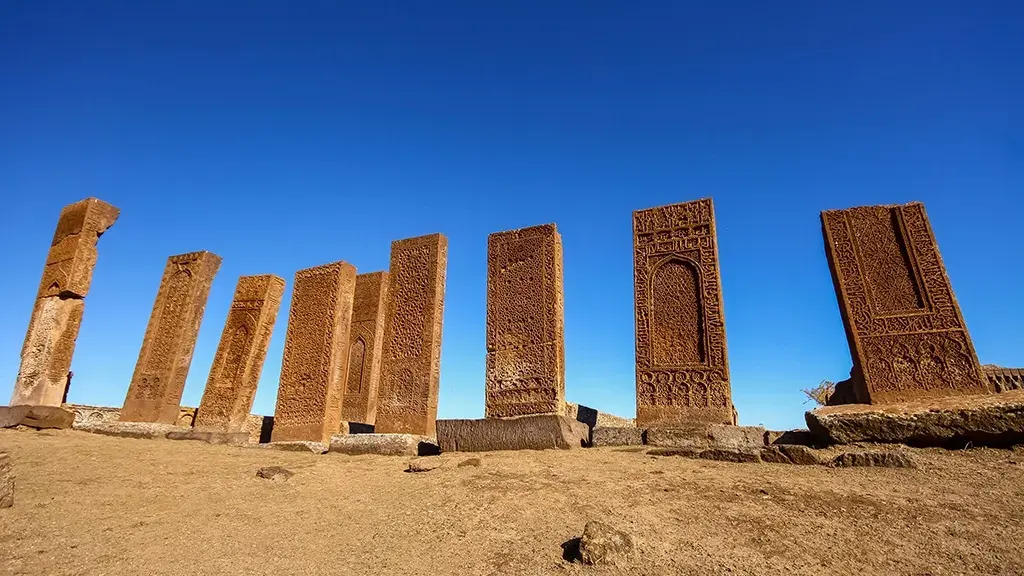
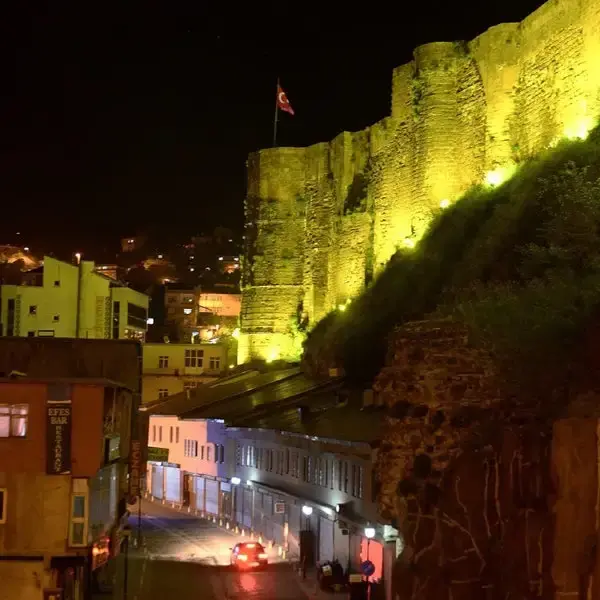
Bitlis is a province rich in history, serving as a bridge between East and West. While the landscape is striking, the true value lies in the stories of the civilizations that passed through. A licensed tourist guide brings these stories to life, explaining the significance of the Ahlat Seljuk Tombs, the largest Islamic cemetery in the world, and the strategic importance of Bitlis Castle. They provide context that goes beyond what is written on site plaques, connecting the dots between the Hurrians, Urartians, Romans, Byzantines, and Seljuks.
In Türkiye, professional guiding at museums and archaeological sites is reserved for licensed tourist guides under the Tourist Guiding Profession Law (No. 6326). Every guide we work with holds a licence from the Ministry of Culture and Tourism, is registered with a regional guide chamber and wears the official badge. For the Bitlis region, guides are registered with the Şanlıurfa Regional Tourist Guides Chamber (ŞURO), where 213 licensed guides are registered today. The most common guide languages here are English, Arabic, Russian, Persian, German, French.
A private guide works only for your group. They plan the day with you, set the order of visits to avoid the heat or crowds, explain what you are seeing in your own language and adapt the pace for children, older travellers or photographers.
Where your guide will take you
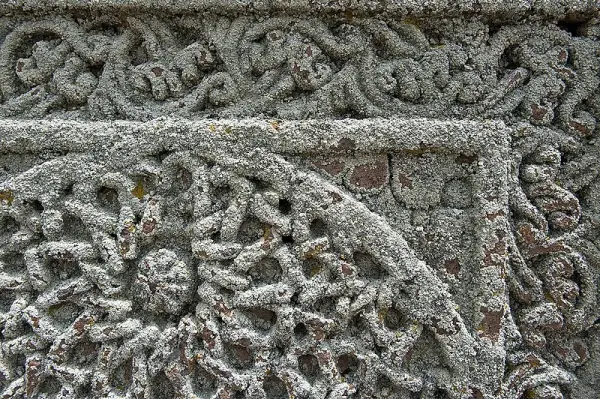
The heart of any visit to Bitlis is Ahlat. Your guide will walk you through the Ahlat Seljuk Tombs, a UNESCO World Heritage tentative site. This vast necropolis contains thousands of tombstones dating from the 13th to the 16th centuries, featuring intricate geometric and floral carvings. Your guide will help you decipher the symbols and understand the craftsmanship of the era. Nearby, the Ahlat Museum and Welcoming Center houses artifacts that provide archaeological context to the region's deep history, from the Neolithic age onwards.
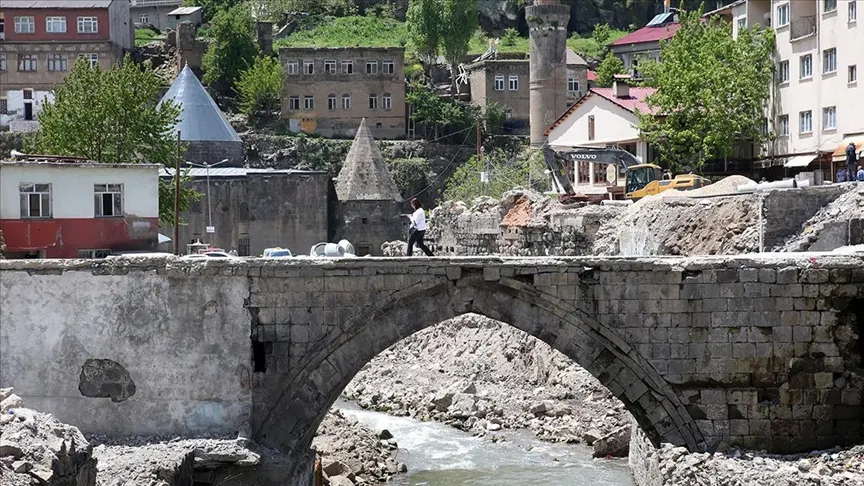
In the city of Bitlis itself, the castle ruins stand as a testament to the area's defensive history. While the castle itself is in ruins, the surrounding views and the historic stone houses of the old town offer a glimpse into traditional architecture. Your guide can also arrange visits to the Bitlis Ethnography Museum, housed in a former governor's mansion built with local Ahlat stone, which showcases the cultural heritage and daily life of the region.
Many visitors also combine a trip to Bitlis with Lake Van. Although the lake is in a neighboring province, it is easily accessible from Bitlis. A guide can organize a tour to Akdamar Island, famous for its Armenian church and beautiful gardens, or take you to Nemrut Lake, a volcanic crater lake near the city, known for its healing waters and scenic beauty.
When to visit Bitlis
The best time to visit Bitlis is during the spring (May to June) and early autumn (September to October). During these months, the weather is mild and pleasant, ideal for walking through the open-air cemeteries and exploring the city. Summers can be hot, especially in July and August, so early morning visits are recommended. Winters are cold and snowy, which can make travel difficult and some sites less accessible, though the landscape is beautifully covered in snow. Your guide will advise on the best times of day to visit specific sites based on the season.
Cultural context and history
Bitlis has been a crossroads of cultures for millennia. The name 'Ahlat' is believed to be derived from the Urartian word for 'city'. The region was a major center of learning and art during the Seljuk period, often compared to Belh and Bukhara. A licensed guide will explain how this cultural synthesis influenced the architecture and art found in the tombs and mosques. Understanding this historical depth enhances the experience, turning a walk among stones into a journey through time.
Tips for your guided days
Wear comfortable walking shoes, as the terrain in the Ahlat cemetery and around the castle can be uneven. Sun protection is essential, especially in summer, as there is little shade in the open areas of the necropolis. It is also respectful to dress modestly when visiting religious sites or cemeteries. Keep a camera ready, as the light in the late afternoon creates dramatic shadows among the tombstones, which photographers particularly enjoy.
How booking a Bitlis guide works
Choose Bitlis, your date, the number of days, the guide language and your group size in the search box at the top of this page. You will see how many licensed guides in the region speak that language and the typical daily rate. Send the reservation request and we contact available guides; you receive your guide's contact details within 24 hours.
English-speaking guides in Bitlis typically start from about €120 per day; rarer languages can cost more. The daily rate covers one destination and guiding only — entrance tickets, transport and meals are not included. Rates are indicative and confirmed when you book. We do not take any payment online: the guide is paid directly in cash at the start of the tour.
If no local guide speaks your language, a guide can come from another region; their travel and accommodation are then added to the booking. Need transport as well? A private car or van with driver can be arranged together with your guide — see the vehicle options below.