Exploring Manisa with a licensed guide
What a licensed guide does in Manisa
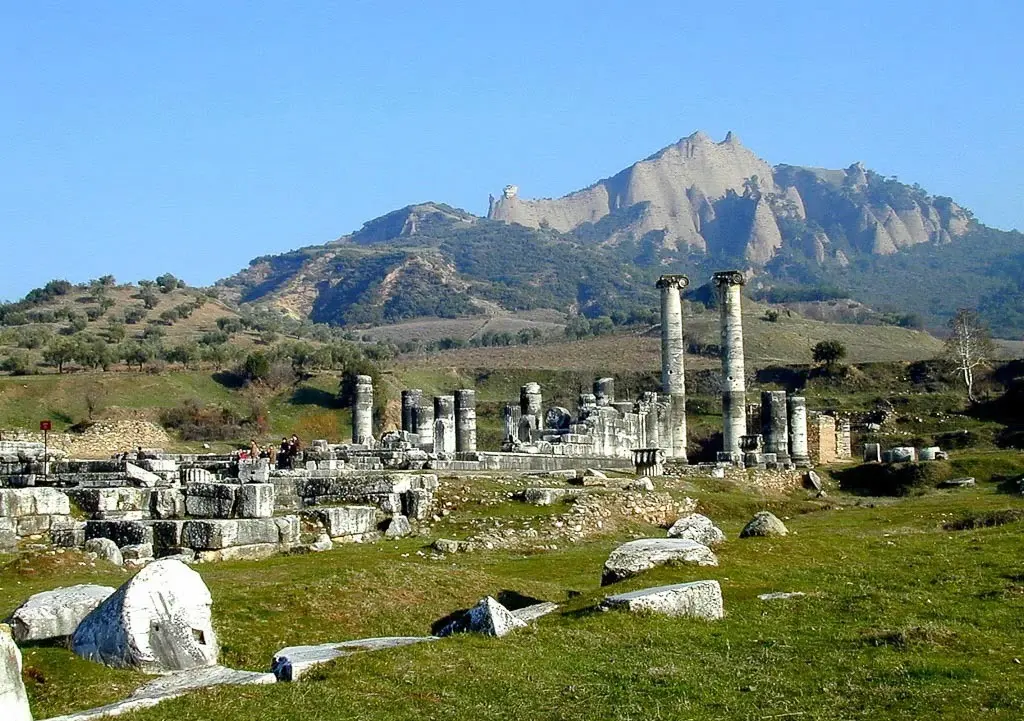
Manisa is a province where layers of history overlap, from the Lydian Kingdom to the Hellenistic and Roman periods. A licensed tourist guide helps you navigate these complex archaeological sites, explaining the significance of cities like Sardes, the capital of Lydia, and the ancient Aeolian city of Aigai. They bring the stories of the past to life, detailing how these cities functioned as commercial and cultural hubs in antiquity.
In Türkiye, professional guiding at museums and archaeological sites is reserved for licensed tourist guides under the Tourist Guiding Profession Law (No. 6326). Every guide we work with holds a licence from the Ministry of Culture and Tourism, is registered with a regional guide chamber and wears the official badge. In this region, guides are registered with the İzmir Tourist Guides Chamber (İZRO), where 903 licensed guides are registered today. The most common guide languages here are English, French, German, Spanish, Italian, Russian.
A private guide works only for your group. They plan the day with you, set the order of visits to avoid the busiest hours, explain what you are seeing in your own language and adapt the pace for children, older travellers or photographers.
The ancient heritage of Manisa
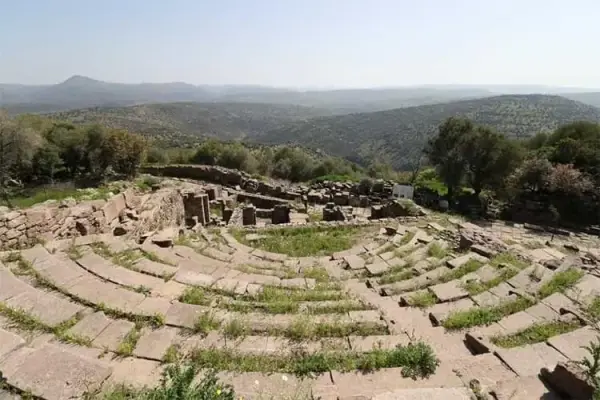
The province is home to some of the most significant archaeological sites in Western Anatolia. Sardes, located near the Pactolus stream, was the capital of the Lydian Kingdom and is famous for its gymnasium and the legend of King Midas. Further north, the ancient city of Aigai offers a glimpse into the life of the 12 Aeolian cities, with excavations revealing its importance as a Hellenistic commercial center.
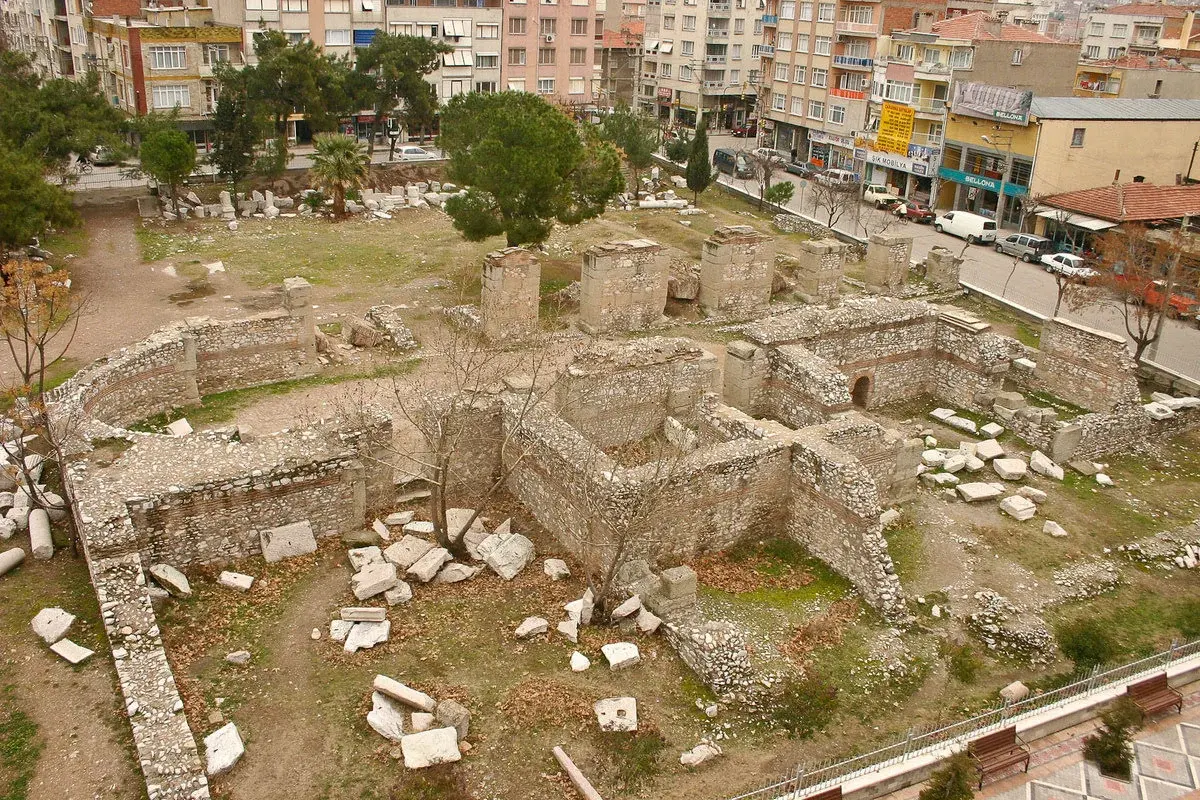
In the Akhisar district, the site of Thyatira provides a deep look into ancient history, where archaeological findings date back to the 14th century B.C. Meanwhile, the Alaşehir district hosts the ruins of Philadelphia, an ancient city once known as Little Athens due to its abundance of temples and festivals during the Roman period.
Your guide can curate a route that connects these sites, providing context on the architectural evolution from the Lydian era through the Byzantine period. Whether you are interested in ancient engineering, religious history, or archaeology, your guide will ensure you gain a comprehensive understanding of each location.
When to visit Manisa
The best time to visit Manisa is during the spring (April to June) and autumn (September to October). During these months, the weather is mild and pleasant, making it ideal for exploring archaeological sites that are often outdoors and exposed to the sun. Summer can be quite hot, so early morning starts are recommended to make the most of your visit before the midday heat.
Tips for your guided days
Wear comfortable, sturdy shoes, as archaeological sites often involve walking on uneven ground, gravel, and stone paths. Bring a hat, sunscreen, and plenty of water, especially during the warmer months. Many of these sites are expansive, so having a guide to help you focus on the most important structures will save you time and energy.
Entrance tickets are purchased at each site. Your guide can provide information on whether a regional museum pass might be beneficial for your specific itinerary. If you are visiting multiple sites in one day, your guide will manage the logistics to ensure you have enough time to appreciate each location without rushing.
How booking a Manisa guide works
Choose Manisa, your date, the number of days, the guide language and your group size in the search box at the top of this page. You will see how many licensed guides in the region speak that language and the typical daily rate. Send the reservation request and we contact available guides; you receive your guide's contact details within 24 hours.
English-speaking guides in Manisa typically start from about €120 per day; rarer languages can cost more. The daily rate covers one destination and guiding only — entrance tickets, transport and meals are not included. Rates are indicative and confirmed when you book. We do not take any payment online: the guide is paid directly in cash at the start of the tour.
If no local guide speaks your language, a guide can come from another region; their travel and accommodation are then added to the booking. Need transport as well? A private car or van with driver can be arranged together with your guide — see the vehicle options below.